Showing posts with label varieties. Show all posts

Wednesday, May 29, 2013

How to Grow Cucumbers in the North


Image: Rusty.Grass
Cucumbers are easy to grow in the north and come in a number of varieties suitable for all gardens. Choose a variety according to space and use. Pickling cucumbers are best for making pickles while slicing cukes are great in salads. Grow in containers, along a trellis or in hills on the ground.

Vegetable Type: Annual
Name: Cucumis sativus
Family: Cucurbitaceous (gourd)

How to Start Cucumber Seeds in the North


  • Cucumbers can be sown directly in the garden in the north because they take 70 days or less to mature. 


When to Plant: After all danger of frost has passed
Soil Type: Fertile, well-drained, slightly acidic
Light: Full sun
Spacing: Sow cucumber seeds 1" deep and 4-5 per hill, with hills 6' apart
Thinning: Thin cucumbers to 2 per hill when seedlings reach 2" tall
Watering: Keep well watered especially during dry periods
Fertilization: Amend soil with finished compost or composted manure to keep fertile
Mulching: Mulch to prevent weeds and retain moisture
Weeding: Weed when plants are dry to reduce the risk of spreading disease
Average Days to Germination: 6-10 days

Common Cucumber Pests and Diseases


Cucumber Pests 


Cucumber Beetles: Small yellow insects with black spots or stripes. Known for chewing holes in the leaves of cucumber plants, often killing them off. Spray with warm soapy water  and handpick to control them organically.

Cucumber Diseases 


Bacteria Wilt: Causes plants to wilt and die off. Pull diseased plants to keep bacteria wilt from spreading. Only pull plants that don’t recover from wilt during cooler temperatures. Some plants may wilt during the heat of the day.

Powdery Mildew: Caused by a fungus and resembles white dust on plant leaves. Small powdery spots can spread. Plant resistant cucumbers & rotate crops to prevent powdery mildew. Spray affected plants with neem oil to control those already affected.

Downy Mildew: Caused by a fungus which appears as small yellow spots on plant leaves, browning and drying them causing them to die off. To prevent, plant disease resistant cucumbers and dispose of parts of the plant already affected.

How to Harvest Cucumbers


  • Twist and snap cucumbers from the vine when they reach desired size (size varies per variety)
  • Harvest before they turn yellow and plump

Best Varieties of Cucumbers to Grow in the North


Related Articles
How to Blanch and Freeze Vegetables
How to Make Your Own Seed Tapes

Friday, May 24, 2013

Best Varieties of Cucumber to Grow in the North


Image: Rusty.Grass

There are many types and varieties of cucumbers to choose from, all of which can be grown in the north because most take 55 days or less to mature. This makes choosing a variety based on taste and use easier, whether it's a pickling cuke, one that's great in a salad, or one that contains few seeds and less acid making it easier on the digestive system.

Types of Cucumbers


Slicing: Cucumbers average 7-9" long with relatively thin skins and few spines

Pickling: Cucumbers average 4-5" long and are block-shaped with minimal spines

Seedless and Thin Skinned: Few to no seeds with thin skins

Specialty: Cucumbers that are unique is size, color & shape

Slicing Cucumber Varieties


Slicing Cucumbers
Sweet Yet Hybrid: Early variety produces 10-12" long cucumbers. Burpless, sweet and thin skinned. Dark green in color. 48 days.

Corinto: American variety growing 7-8" long with dark green skins. Does well in hot or cool weather. Small seed cavity. 48 days.

General Lee: American variety growing 8-8.5" long with dark skins and white spines. Averages high yields. 52 days.

Olympian: American variety growing 8-9" long with dark green skins. Crisp with a fresh flavor. Produces high yields. Very disease resistant. 52 days.

Early Spring Burpless Hybrid: Vigorous variety produces 12-15" long cucumbers with dark green skins and bright white flesh. Crisp and mild in taste. 52 days.

Marketmore: American variety growing 8-9" long with dark green skins. Slender in size. Popular in the north. 58 days.

Sweet Slice Hybrid: Burpless variety produces 10-12" cucumbers that are bitter-free and mild in flavor. Tolerates mildew and scab. 63 days.

Straight Eight: Produces 8" cucumbers up to 2.5" wide and dark green in color. Crisp with a small seed cavity. 65 days.

Pickling Cucumber Varieties


Pickling Cucumbers
Harmonie: European variety best when harvested at 3-5". Produces high yields of dark green cucumbers with noticeable taste. 47 days.

Bush Pickle Hybrid: Extra early variety produces 5" cucumbers. Great for small gardens or containers. Mild in flavor. 45 days.

Northern Pickling: American variety best when harvested at 3-5". Produces medium green fruits on compact vines. Great for small gardens and containers. 48 days.

Vertina: European variety best when harvested at 3-5". Produces high yields of dark green cucumbers with black spines. 49 days.

Jackson Classic: American variety best when harvested at 3-5". Blocky in size and dark green in color with white spines. Disease resistant. 49 days.

Salt and Pepper: American variety best when harvested at 3-5". Produces white skinned cucumbers with black spines. Disease resistant. 49 days.

Adam Gherkin: European variety best when harvested at 2-3". Produces high yields of dark green cucumbers with noticeable taste. 50 days.

Excelsior: American variety best when harvested at 4-5". Produces high yields of dark green, blocky cucumbers. Intense flavor. 50 days.

Miss Pickler Hybrid: Early, vigorous  variety. Cucumbers are crisp, blocky and medium-green in color. Retains crispness when pickled. 50 days.

Little Leaf: American variety best when harvested at 3-5". Produces emerald green skinned cucumbers on compact vines. Great for pickling or eating fresh. 57 days.

Eureka Hybrid: Great variety for pickling or slicing. Harvest at 2-4" for pickling and 7" for slicing. Vigorous plants produce deep green skinned cucumbers. 57 days.

Sassy Hybrid: Great variety for pickling or slicing. Harvest at 3-5" for pickling or 6-10" for slicing. Produces crisp and plump cucumbers. 57 days.

Seedless and Thin Skinned Varieties of Cucumbers


Seedless Cucumbers
Rocky: Extra early and seedless variety best when harvested at 3.5". Very tender. High yielding.

Katrina: Seedless variety best when harvested at 5.5-6.5". Medium sized and full of flavor. 49 days.

Socrates: Thin skinned and seedless  variety grows 7-8". Sweet and tender in taste. Dark skinned. 52 days.

Sweet Success Hybrid: Early seedless variety. Crisp, mild in flavor and acid-free cucumbers reach an average of 14". Tolerates scab and mosaic virus. 54 days.

Amiga: Thin skinned variety grows 6" cucumbers. Flavorful and dark green in color. Disease resistant. 55 days.

Tyria: Seedless variety grows up to 14". Dark green cucumbers are slightly ribbed. Resistant to target spot. 56 days.

Diva: Seedless and bitter-free variety. Cucumbers are crisp and sweet to taste. 58 days.

Iznik Hybrid: Gourmet cocktail variety with thin skin and very few seeds. Mimics melon in taste. Vigorous variety great for eating fresh. Pickles well. 60 days.

Specialty Varieties of Cucumbers


Specialty Cucumbers
Tasty Jade: Produces 11-12" cucumbers on high yielding plants. Fresh in flavor and thin skinned. 54 days.

Suyo Long: Chinese variety produces cucumbers up to 15". Very adaptable. Great for pickling. 61 days.

Striped Armenian: Produces flavorful cucumbers that are best when harvested at 8-18". Grows “S” in shape. Flavorful. Skins alternate between dark and light green stripes. 63 days.

Lemon: Produces sweet and flavorful yellow skinned cucumbers resembling lemons. Best when harvested at 1.5-2.5". Good fresh or pickled. 65 days.


Monday, May 20, 2013

How to Grow Corn in the North


Image: freedigitalphotos.net
Corn is a staple in the U.S. and around the world. For home gardeners, it can be eaten fresh, frozen or canned for later use. The keys to successfully growing corn in the north are to plant an early variety and wait until the weather is warm to sow it to help stave off certain pests and diseases.

Vegetable Type: Annual
Name: Zea mays
Family: Grass

Starting Corn Seeds in the North


When to Plant: After all danger of frost has passed and soil temps are at least 60°F
Soil Type: Fertile, well-draining
Spacing: Sow seeds 1.5" deep and 5" apart in rows 24" apart
Thinning: Thin to 10" apart after seedlings reach 2-3" tall
Light: Full sun
Fertilization: Amend soil with finished compost or composted manure for added nutrients
Watering: Keep well watered especially during dry periods to prevent stunted growth
Mulching: Mulch to prevent weeds and retain moisture
Average Days to Germination: 6-10 days
Additional Care: Plant several short rows rather than 1 or 2 for better pollination. Also, planting corn in cold temperatures can result in poor germination

Common Corn Pests and Diseases


Pests 


Corn Earworms: 1-2” worms are light green to brown in color, hatching from moth eggs. They feed on silk and kernels. Lightly spray tips of ears with organic mineral oil to prevent infestation.

European Corn Borer: Moths lay eggs on undersides of leaves. Hatched larvae borrow into ears and stalks where they feed. If broken tassels & bent stalks appear, spray with organic pesticide, closely following directions.

Corn Root Aphids: Tiny and light green in color. Aphids feed on plant roots often resulting in stunted growth and yellowing of stalks. Prevent by clearing the garden of all ant nests to stop aphids from over wintering in them.

Wireworms: .5 - 1.5” inches long and yellowish-brown larvae. Wireworms feed on the plant roots causing damage. To prevent these pests, cultivate the soil throughout the growing season and rotate crops each year.

Seed Corn Maggots: .5” long cream-colored larvae bore into sprouted seeds stopping their growth. Prevent by planting corn in warmer weather.

* Of course some animals such as raccoon and deer are attracted to corn as well. There are many deterrents on the market to stave off 4-legged pests. Try hanging mesh bags filled with human or dog hair to scare away these pests as a cheap alternative to store bought deterrents.

Diseases 


Stewart’s Bacteria Wilt: Causes early development of tassels, reduced pollination and stunted or wilted plants. Prevent by planting disease resistant varieties of corn, rotating crops and clearing the garden of all plant debris in fall.

Root Rot: Corn plants are stunted or severely misshapen. Commonly causes roots to rot. Caused by fungi. Prevent by planting corn in well-drained soil and in warm weather.

Northern Corn Leaf Blight: Caused by a fungus. Long, gray, green or tan spots appear on leaves of plants. Spots can spread. Loss of corn may result in humid areas from leaf blight. Prevent by planting resistant varieties and rotating crops.

Pest and disease source: garden.org


How to Harvest Corn


  • Twist and pull ears of corn from stalks when kernels have filled out 
  • Test the kernels by piercing with a thumb nail. Corn should be harvested when a milky-white substance is produced

Types of Corn


When leafing through the seed catalog, you’ll come across abbreviations in the corn descriptions. I have listed each abbreviation, what it stands for and what it means. Abbreviations are included  in each description of corn I have listed as well.

(se) - Sugary-Enhanced Hybrids: Contains high levels of sugar between 14-35% depending on the variety. Known for its creamy texture, taste and tenderness.

(su) - Normal or High Sugar Hybrids: Contains 9-16% sugar depending on the variety. Known for its full flavor and firm, creamy texture.

(sh2) Super Sweet Hybrids: Contains very high sugar levels between 28-44% depending on the variety. Known for its super-sweet flavor and crisp texture.

Synergistic: A cross between (se) and (sh2) varieties containing 75% (se) kernels and 25% (sh2) kernels. Known for its tenderness and sweet flavor.


  • Varieties of corn come in 3 colors: yellow, white and bicolor. To simplify this post, I have listed varieties by color. 


Varieties of Corn


Yellow Varieties of Corn


Early Sunglow Hybrid (se): Early variety. Ears grow 6-7” with meaty kernels on short stalks. 62 days.

Legend Hybrid (se): Early variety. Ears grow 7-9” with plump, creamy-sweet kernels. Disease resistant and cold hardy making it a great choice for the north. 65 days.

Spring Treat (se): Yellow sweet variety. Easy harvesting. 66 days.

Precocious Hybrid (se): Early variety. Grows full-tipped ears on 5’ stalks. Sweet to taste. Adapts well. 66 days.

Northern Xtra-Sweet (sh2): Early, tender variety. A northern favorite because it germinates well in cold soils. Large ears are sweet in flavor. Comes in yellow, white and bicolor varieties. 67 days.

Sugar Buns (se): Kernels are deep and narrow. Variety holds up well in the garden. 70 days.

Bicolor Varieties of Corn


Native Gem Hybrid (se): Early variety. Ears grow an average of 8” with full rows of kernels. Very sweet. 66 days.

Trinity (se): Very sweet variety with crisp, fine kernels and narrow ears. Does well when planted in cool weather making it great for the north. 68 days.

Quickie (se): Tender, sweet variety. Ears average 7". Does well in cold soil making it great for the north. 68 days.

Pay Dirt (synergistic): Very sweet variety with tender kernels. Ears grow 7.5-8" long. Tolerates rust. 69 days.

Related Articles

How to Blanch and Freeze Vegetables
How to Make Your Own Seed Tapes

Wednesday, May 15, 2013

Best Varieties of Sweet Corn to Grow in the North

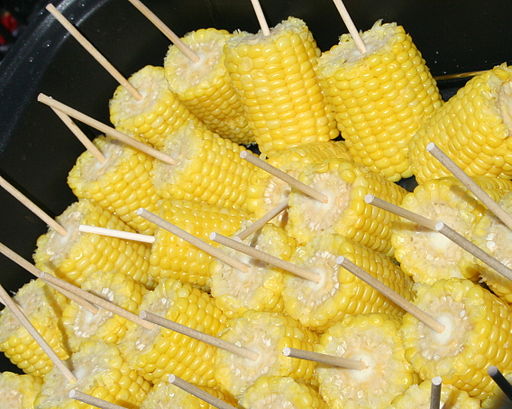
Image: Jonathunder

Corn is a staple in many northern gardens across the U.S. Not only is it versatile, it comes in many different varieties ranging from super sweet to the kind that you pop. For gardeners in the north, the best varieties of corn to grow take 70 days or less to mature.

Types of Corn


When leafing through the seed catalog, you’ll come across abbreviations in the corn descriptions. I have listed each abbreviation, what it stands for and what it means. Abbreviations are included  in each description of corn I have listed as well.

(se) - Sugary-Enhanced Hybrids: Contains high levels of sugar between 14-35% depending on the variety. Known for its creamy texture, taste and tenderness.

(su) - Normal or High Sugar Hybrids: Contains 9-16% sugar depending on the variety. Known for its full flavor and firm, creamy texture.

(sh2) Super Sweet Hybrids: Contains very high sugar levels between 28-44% depending on the variety. Known for its super-sweet flavor and crisp texture.

Synergistic: A cross between (se) and (sh2) varieties containing 75% (se) kernels and 25% (sh2) kernels. Known for its tenderness and sweet flavor.


  • Varieties of corn come in 3 colors: yellow, white and bicolor. To simplify this post, I have listed varieties by color. 


Varieties of Corn


Yellow Varieties of Corn


Early Sunglow Hybrid (se): Early variety. Ears grow 6-7” with meaty kernels on short stalks. 62 days.

Legend Hybrid (se): Early variety. Ears grow 7-9” with plump, creamy-sweet kernels. Disease resistant and cold hardy making it a great choice for the north. 65 days.

Spring Treat (se): Yellow sweet variety. Easy harvesting. 66 days.

Precocious Hybrid (se): Early variety. Grows full-tipped ears on 5’ stalks. Sweet to taste. Adapts well. 66 days.

Northern Xtra-Sweet (sh2): Early, tender variety. A northern favorite because it germinates well in cold soils. Large ears are sweet in flavor. Comes in yellow, white and bicolor varieties. 67 days.

Sugar Buns (se): Kernels are deep and narrow. Variety holds up well in the garden. 70 days.

Bicolor Varieties of Corn


Native Gem Hybrid (se): Early variety. Ears grow an average of 8” with full rows of kernels. Very sweet. 66 days.

Trinity (se): Very sweet variety with crisp, fine kernels and narrow ears. Does well when planted in cool weather making it great for the north. 68 days.

Quickie (se): Tender, sweet variety. Ears average 7". Does well in cold soil making it great for the north. 68 days.

Pay Dirt (synergistic): Very sweet variety with tender kernels. Ears grow 7.5-8" long. Tolerates rust. 69 days.


Monday, May 13, 2013

Best Varieties of Vegetables to Grow in the North


The north may have a short growing season, but that doesn’t mean gardeners have to skimp on the types and varieties of vegetables they grow. The best vegetables take 70 days or less to mature and some, such as melons and pumpkins, should be started indoors or bought at the local nursery to save on time.

Please remember this list is a work in progress as I work my way through the list of vegetables and it will be updated weekly. Click the links below to find lists of the best varieties of vegetables to grow in the north.


Friday, April 19, 2013

How to Grow Cauliflower in the North

Candid Charm Hybrid

Cauliflower is a long season vegetable that, under the right conditions, can be successfully grown in the north. The key is to use cauliflower transplants that take 70 days or less to mature ,and to grow them in a fertile, sunny location.

Cauliflower Information


Vegetable Type: Annual
Name: Brassica oleracea botrytis
Genus: Cabbage Family

How to Start Cauliflower from Seed


Seed Starting Supplies


  • Trays/Pots
  • Organic Potting Soil
  • Cauliflower Seed
  • Small Watering Can
  • Sunny Location Indoors


Directions


(start indoors 4-6 weeks before average spring frost)

1. Fill trays ¾ way full with organic potting mix
2. Follow spacing requirements on back of cauliflower seed packet when sowing in trays, or 1-3 seeds per pot
3. Sprinkle 1/8” of soil over seeds
4. Water lightly
5. Keep seed tray in a sunny location and keep well watered

How to Grow Cauliflower Outdoors in the North


When: When temps are consistently 55°F or warmer in spring
Soil Type: Very fertile, well-draining soil (amend with finished compost/composted manure)
Spacing: Plant cauliflower 18-24” apart in rows
Light: Full sun
Watering: Keep consistently watered
Weeding: Weed consistently
Mulching: Apply mulch to reduce weeds and retain moisture
Fertilizing: Add compost to bed before planting and side dress plants with organic fertilizer high in nitrogen 3 weeks later
Care: For cauliflower varieties that are not self blanching, wrap leaves over head and tie at top to blanch when heads are almost full size (check seed packet for size). Check cauliflower a week to 12 days after tying, at which time they should be ready for harvest.

Common Cauliflower Pests and Diseases in the North


Pests

Harlequin Bugs: Look for black and white eggs on undersides of leaves as well as nymphs pale orange or black in color with spots. Adults are red and black spotted and crest-like in shape. They leave behind wilted, browning spots on leaves, eventually killing the plant. Handpick/spray with soapy water to control organically.

Cabbage Worms: Look for green worms and white cocoons. Handpick all worms and cocoons, drowning in soapy water. Use floating row covers to prevent pests.

Aphids: Look for tiny, pear-shaped yellow, green or brown insects with long antennae and legs. Treat by spraying with a mixture of 1 tablespoon vegetable oil and ½ teaspoon of liquid soap mixed into a quart of water (shake well before using).

Diseases

Black Rot: Look for yellowing leaves eventually dying and falling off plants. Plants may also develop black spots/veins caused by bacteria. Plant resistant varieties and do not plant where members of the same family have grown in the past 2 years.

Clubroot: Caused by a fungus. Stop fungus from spreading by digging up and removing all cabbage roots and tendrils. Place in plastic bags and dispose - do not add to compost or fungus may be left behind. Test soil pH and raise above 7.2 if need be.

How to Harvest Cauliflower


  • Look for compact heads that are tightly balled and firm to the touch. Color will vary depending on the cauliflower variety planted. 
  • Cleanly slice heads just above ground level leaving a few leaves attached to the head (offers a little protection).


Tips for Storing Cauliflower


  • Cauliflower lasts for about a week when refrigerated 
  • Pickle or freeze for longer storage

Types of Cauliflower


Open Pollinated: Turns white on it’s own without wrapping the head with outer leaves of plant and tying.

White: Most common variety; easy to find in produce sections of the store. Produces all white heads.

Purple: All purple heads are mild in taste, typically turning green after cooking.

Orange: Produces orange heads full of beta carotene. This type is sometimes called Cheddar cauliflower.

Broccoflower or Green: Produces green heads. This type is a cross between broccoli and cauliflower.


Varieties of Cauliflower Best for the North


Orange Cauliflower Varieties


Cheddar Hybrid
Cheddar Hybrid: Newer variety. Produces 4-7” domed heads orange in color. Full of beta carotene. Easy to grow. One of the best hybrid varieties for the north. 68 days from transplants.

White Cauliflower Varieties


Self Blanche: Self blanching variety. Produces fine grained, smooth heads with tightly packed leaves. Great for pickling/freezing. 52 days from transplants.

Snow Crown Hybrid: Vigorous variety. Produces 2 lb. heads 7-8” in diameter. Easy to grow. 55 days from transplants.

Freemont: Adaptable variety. Produces white heads uniform in size. Self-blanching. 62 days from transplants.

Candid Charm Hybrid: High-yielding variety. Produces dense heads and thick wrapper leaves for extra protection. Very flavorful. 65 days from transplants.

Snowball Y Improved: Short season variety. Produces 6” heads surrounded by curled leaves. 65 days from transplants.

Bishop: Adaptable variety. Produces uniform heads with leaves that are self covering. Strong and vigorous plants. 65 days from transplants.


Related Articles

How to Blanch and Freeze Vegetables
How to Make Your Own Seed Tapes

Wednesday, April 17, 2013

Best Varieties of Cauliflower to Grow in the North


Cheddar Hybrid
The best varieties of cauliflower to grow in the north take 70 days or less to mature from transplanting. Always use seedlings started indoors or transplants from the local nursery when growing cauliflower for the best results.

Types of Cauliflower


Open Pollinated: Turns white on it’s own without wrapping the head with outer leaves of plant and tying.

White: Most common variety; easy to find in produce sections of the store. Produces all white heads.

Purple: All purple heads are mild in taste, typically turning green after cooking.

Orange: Produces orange heads full of beta carotene. This type is sometimes called Cheddar cauliflower.

Broccoflower or Green: Produces green heads. This type is a cross between broccoli and cauliflower.


Varieties of Cauliflower Best for the North


Orange Cauliflower Varieties


Cheddar Hybrid: Newer variety. Produces 4-7” domed heads orange in color. Full of beta carotene. Easy to grow. One of the best hybrid varieties for the north. 68 days from transplants.

White Cauliflower Varieties


Candid Charm Hybrid
Self Blanche: Self blanching variety. Produces fine grained, smooth heads with tightly packed leaves. Great for pickling/freezing. 52 days from transplants.

Snow Crown Hybrid: Vigorous variety. Produces 2 lb. heads 7-8” in diameter. Easy to grow. 55 days from transplants.

Freemont: Adaptable variety. Produces white heads uniform in size. Self-blanching. 62 days from transplants.

Candid Charm Hybrid: High-yielding variety. Produces dense heads and thick wrapper leaves for extra protection. Very flavorful. 65 days from transplants.

Snowball Y Improved: Short season variety. Produces 6” heads surrounded by curled leaves. 65 days from transplants.

Bishop: Adaptable variety. Produces uniform heads with leaves that are self covering. Strong and vigorous plants. 65 days from transplants.


Friday, April 5, 2013

Types and Varieties of Celery

Tango Hybrid Celery
There are 3 main types of celery and a handful of varieties to choose from. When selecting a variety to grow, consider your USDA zone and how long a growing season you have.

Types of Celery


Celery: Produces long, crunchy stalks green to dark green in color with minimal foliage on top.

Leafy Celery: Produces thin stalks and lots of edible foliage. This type of celery is sometimes called cutting celery.

Celeriac: A root vegetable. Produces large roots which must be peeled before eaten.


Varieties of Differernt Types of Celery

Celery Varieties


Conquistador: Early variety - good for growing in the north. Produces tall, crisp stalks that are full of flavor. Adapts well. 80 days.

Tango Hybrid: High-yielding. Produces crunchy, sweet stalks ready for harvest 2 weeks earlier than older varieties. Resists Fusariums. 85 days.

Utah 52-70: Produces dark green stalks, some up to 12” tall, and strong rooted plants. Adapts well to different climates and soils. 100 days.

Leafy Celery Varieties


Safir Leafy Celery
Safir: Peppery and crisp in taste. Produces abundant, leafy tops and lots of thin stalks. Harvest as needed. 78 days.

Celeriac Varieties


Prinz: High-yielding. Variety produces uniform roots large in size and creamy white in color. 95 days. 

Monarch Celeriac
Monarch: Roots are large, firm and creamy white in color. Has a celery-like taste. Tolerates celery virus very well. 100 days. 

Brilliant: Pale green in color with curly tops. Stores well, up to 3 months. Crisp, refreshing flavor. 105-115 days. 


Sources: Gurney's Seed and Nursery Co., Park Seed Co., Generic Seeds, Johnny's Selected Seeds


Wednesday, April 3, 2013

Best Types of Celery to Grow in the North

Tango Hybrid Celery

Celery is a great vegetable to try growing, even in the north. Normally, I’d suggest a variety that takes 70 days or less to mature to fit our growing season, but since celery is slow to grow, I did my best to come up with some varieties to try.

Celery Varieties


Conquistador: Early variety - good for growing in the north. Produces tall, crisp stalks that are full of flavor. Adapts well. 80 days.

Tango Hybrid: High-yielding. Produces crunchy, sweet stalks ready for harvest 2 weeks earlier than older varieties. Resists Fusariums. 85 days.

Leafy Celery Varieties

Safir Leafy Celery

Safir: Peppery and crisp in taste. Produces abundant, leafy tops and lots of thin stalks. Harvest as needed. 78 days.


Celeriac Varieties

Monarch Celeriac


Prinz: High-yielding. Variety produces uniform roots large in size and creamy white in color. 95 days.


Sources: Park Seed Co., Generic Seeds, Johnny's Selected Seeds

Friday, March 29, 2013

How to Grow Carrots in the North

Tendersnax Carrots

Carrots are easy to grow in the north under the right conditions. The keys to doing this successfully are to choose the right variety of carrot to fit the growing season and provide them with the right type of soil. It’s also important to water and fertilize correctly as well as watching out for certain pests and diseases.

Carrot Information


Vegetable Type: Annual
Name: Daucus carota
Genus: Parsley Family

How to Grow Carrots


When: Plant as soon as soil temps have warmed above 55 degrees and all danger of frost has passed.

Light: Full sun to light shade.

Soil Type: A mix of sandy/loamy soil that is loose and well-draining. Soil should be free of stones and clumps.

Sowing: Direct sow seeds and thin to 1” apart when seedlings first appear. Thin again to 2-3” apart when seedlings are about 1” tall.

Spacing: ¼” deep in rows 16-18” apart.

Watering: 1” of water per week. Keep soil evenly moist with a deep soaking. Test soil up to 4” deep for dryness before watering.

Fertilization: Use fertilizers rich in potassium or year old manure when carrot tops have reached 3" in height.

Mulching: Once carrots reach 3-4” in height, mulch around and between rows to help retain moisture and discourage weeds.

Care: Cultivate lightly around carrots to keep weeds to a minimum, making sure not to disturb the roots. If the tops of carrots emerge before they are ready to be harvested, gently cover them with loose soil or mulch to keep them from turning green.

Additional Carrot Growing Information


It’s important to give carrots loose soil to grow in to keep them from forking. Forking is when the roots branch out instead of forming one solid, tapered root.

Carrot Pest and Disease Control


Carrot Root Fly: Maggots that feed on roots damaging or killing them. If the carrot root fly is a problem, harvest as soon as carrots are ready. The Royal Horticultural Society lists several ways to treat carrot root flies organically.

Flea Beetles: Adults are 1/10 of an inch long and bronze, brown or black in color with long legs. They leave behind lots of small holes in cabbage leaves. Gently cultivate soil around plants to kill flea eggs. Control adults with floating row covers.

Forked Roots: Amend soil so it is loose and well-draining to prevent forked roots.

Excess Tops and No Roots: Lots of green tops and little or no roots are typically caused by too much nitrogen in the soil. To prevent this, conduct a home soil test that can be picked up at lawn and garden centers and amend the soil accordingly. Also, make sure to thin seedlings, giving them ample room to grow.

How to Harvest Carrots


Always consult the back of seed packets for average days to maturity at which time carrots will be ready to harvest. Most varieties will show their tops when ready for harvest. Grab the greens as close to the tops as possible and twist and pull, gently shaking the carrot while doing so.

Storage and Preservation Tips


Mature carrots can be left in the ground for storage as long as the ground doesn’t freeze. Eat carrots fresh, store in a dry root cellar, or can or blanch and freeze for later use.


Best Varieties of Carrots to Grow in the North


Nelson Hybrid: Nantes type. Extra-early variety. Almost coreless and dark orange in color. Smooth and straight roots. Does not taper. 58 days.

Rainbow Blend: Mix of purple, white, red & yellow carrots. Each has it’s own taste and texture. Exciting variety to grow with kids. 58-65 days.

Yaya Hybrid: 6” long blunt tipped roots. High-yielding variety. Crunchy and sweet. Holds well in the garden. 60 days.

Little Finger
Little Finger: 4” long baby variety. Crisp and juicy. Dark orange in color. Resists tapering. 60 days.

Organic Nantes: 6-7” roots bright orange in color. Sweet, tender and crisp. Slices well. Early variety. 62 days.

Scarlet Nantes: 6” long and almost coreless. Early variety sweet in flavor. Makes a great fresh snack. 65 days.

Nandrin Hybrid: 8-14” long. Extra-large variety. Tender and juicy. Great for juicing or cooking. 65 days.

Nandrin Hybrid
Envy Hybrid: 12” cylindrical roots. Top fresh-eating carrot variety. Grows fast even in poor or clay soils. 66 days.

Sugarsnax Hybrid: 9-11” long and very sweet in flavor. Cans and freezes well. A good variety for the north. 68 days.

Tendersnax Hybrid: 5-6” long with blunt tips. Ultra-sweet variety. Very juicy and tender. Disease resistant. 68 days.

Chantenay Red Core: 5 ½” long. Great for small gardens or containers. High-yielding variety. Orange-red in color throughout. 68 days.

Purple Haze: Rich purple in color with bright orange core. Sweet and strong in flavor. Vigorous variety. Easy to grow. 70 days.


Related Articles


Friday, March 22, 2013

Types and Varieties of Carrots


There are 5 main types of carrots which, for the most part, are defined by their average length and other characteristics. When growing carrots, keep in mind that environmental factors such as soil type and moisture effect how well carrots grow, including their size. Always grow a variety that is suitable to the length of the growing season.

Types of Carrots


Baby Carrots: Up to 5” cylindrical, tapered or round roots. Short storage life. Spring 50-60 days, fall - 60-70 days to maturity.

Nantes: 5-7” cylindrical roots. Short storage life. Spring - 55-70 days, fall - 60-75 days to maturity.

Chantenay: 5-6" long medium-light orange roots with red cores. Broad shouldered with rounded roots. Spring - 55-70 days, fall - 70-110 days to maturity.

Imperator: 7-8” long with tapered roots and wide shoulders. Spring - 55-100 days, fall - 80-110 days to maturity.

Danvers: Up to 7” long. Thick, cylindrical roots. Good for juicing, freezing and preserving. Spring - 70-80 days, fall - 80-110 days to maturity.

Sources: growit.umd.edu - mothearthnews.com

Varieties of Carrots


Rainbow Blend: Mix of purple, white, red & yellow carrots. Each has it’s own taste and texture. Exciting variety to grow with kids. 58-65 days.

Nelson Hybrid: Nantes type. Extra-early variety. Almost coreless and dark orange in color. Smooth and straight roots. Does not taper. 58 days.

Yaya Hybrid: 6” long blunt tipped roots. High-yielding variety. Crunchy and sweet. Holds well in the garden. 60 days.

Little Finger: 4” long baby variety. Crisp and juicy. Dark orange in color. Resists tapering. 60 days.

Organic Nantes
Organic Nantes: 6-7” and bright orange in color. Sweet, tender and crisp. Slices well. Early variety. 62 days.

Scarlet Nantes: 6” and almost coreless. Early variety sweet in flavor. Makes a great fresh snack. 65 days.

Nandrin Hybrid: 8-14” long. Extra-large variety. Tender and juicy. Great for juicing or cooking. 65 days.

Envy Hybrid: 12” cylindrical roots. Top fresh eating carrot variety. Grows fast even in poor or clay soils. 66 days.

Sugarsnax Hybrid: 9-11” long and very sweet in flavor. Cans and freezes well. A good variety for the north. 68 days.

Tendersnax Hybrid: 5-6” long with blunt tips. Ultra-sweet variety. Very juicy and tender. Disease resistant. 68 days.

Chantenay Red Core: 5 ½” long. Great for small gardens or containers. High-yielding variety. Orange-red in color throughout. 68 days.

Purple Haze: Rich purple in color with bright orange core. Sweet and strong in flavor. Vigorous variety. Easy to grow. 70 days.

Danvers 126: 7” long wide-topped roots. Good variety to grow in dense soils. Sweet and tender. 73 days.

Danvers Half Long: Medium-yield variety. 6-7 ½” long with blocky tops and chunky roots. Stores well. Can be grown in clay soils. 75 days.

Tendersweet: 7” long with tapered roots. One of the sweetest carrot varieties. Easy grower. 75 days.

Atomic Red Carrots
Atomic Red: 8-11” long tapered roots pink in color that turn scarlet after cooking. Tasty and nutritious variety. 75 days.

Atlas: 4” baby carrot. Good for containers and small gardens. Sweet in taste with lots of moisture. 75 days.

Imperator 58: 8-9” long thin, tapered roots. Full of flavor. Popular store variety. All-American Selections winner. 75 days.

Purple Haze Hybrid: 8-10” long with purple skin and bright orange flesh sweet in taste. All-America Selections winner. 90 days.

Royal Chantenay: Up to 6” long. Keeps flavor. Broad and hardy variety. 100 days.

Sources: Gurney's Seed and Nursery Co., Park Seed Co., Generic Seeds 

Wednesday, March 20, 2013

Best Varieties of Carrots to Grow in the North


Nelson Hybrid
The north is a great place to grow carrots. To ensure they have enough time to grow, it’s best to plant an early variety. Early varieties are those that take 70 days or less to mature, giving northern gardeners plenty to choose from.

Nelson Hybrid: Nantes type. Extra-early variety. Almost coreless and dark orange in color. Smooth and straight roots. Does not taper. 58 days.

Rainbow Blend: Mix of purple, white, red & yellow carrots. Each has it’s own taste and texture. Exciting variety to grow with kids. 58-65 days.

Yaya Hybrid: 6” long blunt tipped roots. High-yielding variety. Crunchy and sweet. Holds well in the garden. 60 days.

Little Finger
Little Finger: 4” long baby variety. Crisp and juicy. Dark orange in color. Resists tapering. 60 days.

Organic Nantes: 6-7” roots bright orange in color. Sweet, tender and crisp. Slices well. Early variety. 62 days.

Scarlet Nantes: 6” long and almost coreless. Early variety sweet in flavor. Makes a great fresh snack. 65 days.

Nandrin Hybrid: 8-14” long. Extra-large variety. Tender and juicy. Great for juicing or cooking. 65 days.

Nandrin Hybrid
Envy Hybrid: 12” cylindrical roots. Top fresh-eating carrot variety. Grows fast even in poor or clay soils. 66 days.

Sugarsnax Hybrid: 9-11” long and very sweet in flavor. Cans and freezes well. A good variety for the north. 68 days.

Tendersnax Hybrid: 5-6” long with blunt tips. Ultra-sweet variety. Very juicy and tender. Disease resistant. 68 days.

Chantenay Red Core: 5 ½” long. Great for small gardens or containers. High-yielding variety. Orange-red in color throughout. 68 days.

Purple Haze
Purple Haze: Rich purple in color with bright orange core. Sweet and strong in flavor. Vigorous variety. Easy to grow. 70 days.


Friday, March 15, 2013

How to Grow Cabbage in the North

Tropic Giant

Cabbage is a must-try vegetable, even in the north. Not only can it be eaten fresh in many ways, it can be canned, and depending on the variety, stores well in the root cellar. Growing cabbage in the north is pretty straight-forward under the right conditions. Choose an early variety and use transplants or start seeds indoors.

Cabbage Information


Vegetable Type: Annual
Name: Brassica oleracea var. capitata
Genus: Cruciferous Family

How to Start Cabbage Indoors in the North


When: In the north, start cabbage seeds indoors 4-6 weeks before the last frost. Harden off seedlings before transplanting them to the garden when all chances of frost have passed.

Supplies Needed


  • Seed Pots or Starter Trays
  • Loam/ Fertile Potting Soil
  • Cabbage Seeds
  • Spray Bottle w/Water

Fill pots ¾ full with potting soil
  • Place 2-3 seeds in each pot
  • Top seeds with ¼-½ inch of soil
  • Lightly spray with water
  • Place trays in warm area that receives natural sunlight 


How to Grow Cabbage from Transplants in the North


Cabbage is a heavy feeder and thrives in fertile, moist soil. To add nutrients to the soil organically, amend the soil with ½ inch finished compost or composted manure. Remember to rotate all crops to help prevent disease and a pest infestation.

When: After last frost date, typically mid April to Mid May in the north

Light: Full sun

Soil Type: Fertile, well draining

Spacing: 12-18 inches apart in rows 18-36 inches apart

Watering: Keep soil moist - about ½ inch of water a week

Fertilization: Work finished compost or composted manure into soil half way though growing season

Weeding: Gently cultivate around cabbage plants making sure not to sever roots. Mulch around plants to keep soil moist and prevent weeds

Care: Too prevent cabbage heads from splitting, plant a split resistant variety or sever a few roots when heads near maturity. Heads will stop growing but remain alive

Controlling Cabbage Diseases and Pests


Cabbage Worms/Loopers: Look for green worms and white cocoons. Handpick all worms and cocoons, drowning in soapy water. Use floating row covers to prevent pests.

Cabbage Cutworms: 1 ½ inch long striped/mottled caterpillars green, gray or brown in color. These pests chew through stems at ground level. Cover young transplants with floating row covers or burry cardboard collars around transplant stems at least 1-2 inches below soil level.

Cabbage Root Maggot: Caused by a fly laying eggs in cracks at the base of the plant or in nearby soil. Eggs hatch into maggots that feed on roots and stems. Cover young transplants with floating row covers.

Flea Beetles: Adults are 1/10 of an inch long and bronze, brown or black in color with long legs. They leave behind lots of small holes in cabbage leaves. Gently cultivate soil around plants to kill flea eggs. Control adults with floating row covers.

Aphids: Look for tiny, pear-shaped yellow, green or brown insects with long antennae and legs. Treat by spraying with a mixture of 1 tablespoon vegetable oil and ½ teaspoon of liquid soap mixed into a quart of water (shake well before using).

Slugs and Snails: Set out beer traps to trap slugs and snails. Fill empty tin cans (tuna) ¾ full with beer. Pests will crawl in and drown. Empty traps once a week, replacing bait.

Downy Mildew: Look for yellow patches on leaves. Mildew is typically caused by too much moistness. Avoid spraying cabbage heads when watering. Plant downy mildew resistant varieties.

Clubroot: Caused by a fungus. Stop fungus from spreading by digging up and removing all cabbage roots and tendrils. Place in plastic bags and dispose - do not add to compost or fungus may be left behind. Test soil pH and raise above 7.2 if need be.

Note: Cabbage is susceptible to fusarium wilt, black rot, bacterial soft rot, alternaria leaf spot and sclerotinia rot. Always plant disease resistant varieties when possible. For more information on these diseases and how to identify and treat them, check out essentialgardenguide.com.

How to Harvest Cabbage


Cabbage is ready for harvesting when the heads are dense and firm. Cleanly slice cabbage at the base of its stem. Always harvest before heads split to prevent disease and pests from taking over. Split cabbage can still be harvested and eaten.


Cabbage Blend

Varieties of Cabbage to Grow in the North


Seeing as the north has a short growing season, the best varieties of cabbage to grow are those that are 70 days to maturity or less. Always start seeds indoors or use locally bought transplants which are suitable for growing in their area.

Green Cabbage Varieties


Golden Acre: Early variety. Produces 3-4 inch heads on compact plants. Heads are solid with sweet, crisp greens. Disease resistant. 58 days.

Farao: Early variety. Produces 3-4 pound heads peppery-sweet in taste. Leaves are thin and crisp. Resists thrips. 64 days.

Stonehead Hybrid: Produces 4-6 pound heads which are very compact. Tight heads have short cores. Resists yellowing and black rot. 67 days.

Copenhagen: High-yielding variety. Produces heads up to 8 inches across. Heads are solid and keep well. 70 days.


Red Cabbage Varieties


Red Express: Extra-early variety. Produces 2-4 pound heads on compact plants. High in flavor. Resists cracking. Recommended for the north.

Red Acre: Produces 7 inch heads about 3 pounds in weight. Heads are reddish-purple in color and tightly packed. Resists cabbage yellowing. 65 days.

Savoy Cabbage Varieties


Savoy Express Hybrid: Extra-early variety. Produces small heads about a pound in size. Great texture and flavor. Compact variety great for small gardens. 55 days.

Autumn Jewel: Savoy-type variety. Produces large heads surrounded by pretty greens. Stores well and winter hardy. Not as compact as green cabbage varieties. 70 days.


Chinese Cabbage Varieties


Kaboko Hybrid Cabbage
Pak Choi: White stem variety. Produces thick white stems and loose, green leaves. Leaves are mild in flavor. Hearty and cold resistant. Great variety for the north. 45 days.

Kaboko Hybrid: Produces 16 inch tall and 12 inch wide heads green and white in color. Harvest entire cabbage heads or leaf by leaf. Super sweet in flavor. Disease resistant. 59 days.

Wa Wa Tsai Hybrid: Produces 10-18 ounce tender heads that are sweet in flavor. Great for small gardens. 60 days.

Mini Cabbage Varieties 


Caraflex Cabbage
Gonzales: Produces 4-6 inch heads. Heads are compact and uniform in size with sweet and spicy leaves. Great variety for small gardens. 66 days.

Caraflex: Produces cone-shaped cabbages uniform in size. Mini heads have tender inner leaves great for slaw and salads. 68 days.

List of Cabbage Types and Varieties

Resources: Johnny's Selected Seeds, Gurney's Seed and Nursery Co., Park Seed Co., Generic Seeds 


Related Articles


Wednesday, March 13, 2013

Types and Varieties of Cabbage


Gonzales Cabbage

Types of Cabbage


Green Cabbage: Green cabbage forms heads of different sizes with green outer leaves that typically get lighter near the core of the cabbage. Almost the entire heads are edible, except the core, and work well in main dishes as well as raw in slaws and salads.

Red Cabbage: Red cabbage is similar to green cabbage only it's reddish-purple in color. Red cabbage has a bolder flavor than green and makes a striking contrast in color.

Savoy Cabbage: Savoy cabbage has lots of showy leaves, usually green to purple in color depending on the variety. The heads are not compact, rather made from loosely wrapped leaves which are tender and great for making wraps or slaws or eaten raw. Savoy cabbage has a mildly sweet flavor.

Chinese Cabbage: Chinese cabbage has stems and leaves that grow upwards rather than compactly in heads. Both the stems and leaves are edible. Chinese cabbage typically takes less days to mature than other varieties.

Mini Cabbage: Mini cabbages grow on compact plants and are typically less than 6 inches in size. Mini cabbages are either round or cone-shaped. Their varieties are great for small gardens.

Note: Days to variety are from transplants unless otherwise noted.


Cabbage Varieties


Green Cabbage Varieties


Golden Acre: Early variety. Produces 3-4 inch heads on compact plants. Heads are solid with sweet, crisp greens. Disease resistant. 58 days.

Farao: Early variety. Produces 3-4 pound heads peppery-sweet in taste. Leaves are thin and crisp. Resists thrips. 64 days.

Stonehead Hybrid: Produces 4-6 pound heads which are very compact. Tight heads have short cores. Resists yellowing and black rot. 67 days.

Copenhagen: High-yielding variety. Produces heads up to 8 inches across. Heads are solid and keep well. 70 days.

Tropic Giant Hybrid: Main season variety. Produces some of the largest heads of any variety - up to 12 inches across and 15 pounds in weight. Flattish-round heads are pale green in color. Requires lots of room to grow. 72 days.

KY Cross: Produces small, uniform heads. Leaves are thin and full of flavor. Great for eating raw. 75 days.

Megaton Hybrid: Heavy-yielding variety. Produces 16 inch heads weighing up to 15 pounds. Sweet and mild in flavor. Stores well. Disease resistant. 88 days.

Sweet Surprise Hybrid: Produces 10-12 inch heads sweet in flavor. Stores well. Disease resistant. 125 days from seed, 90 days from transplant.

Kaitlin: Great sauerkraut variety. High-yielding, late season variety. Produces large heads with medium storage. Insides are white. 94 days.

Storage #4: Produces 4-8 pound heads in mid-fall. Heads are round with tapered base. Stores well. Resists fusarium yellows. 95 days.

Danish Ballhead: Produces bluish-green heads 8 inches in size. Easy to grow variety. Stores well. Bolt resistant. 100 days.

Late Flat Dutch: Late variety. Produces flattish heads 10 inches across. Heads are sweet and mild in flavor and pale green in color. Ships and stores well. 110 days.

Red Cabbage Varieties


Red Express: Extra-early variety. Produces 2-4 pound heads on compact plants. High in flavor. Resists cracking. Recommended for the north.

Red Acre: Produces 7 inch heads about 3 pounds in weight. Heads are reddish-purple in color and tightly packed. Resists cabbage yellowing. 65 days.

Super Red: Produces medium-sized heads. Cabbage is peppery in taste with a tender, crisp texture. Resists splitting. 73 days.

Ruby Perfection: Mid-late season variety. Produces dense, medium-sized heads. Stores medium-well. Resists thrips. 85 days.

Integro: Mid-late season variety. Produces uniform, medium-sized heads. Short core with thick yet crisp leaves. 85 days.

Cairo Hybrid: Produces round, dense heads burgundy in color and averaging 3-6 pounds each. Sweet, crisp and tender. Disease resistant. 85 days.

Deadon Hybrid: Savoy-like variety. Produces heads with pinkish-purple outer leaves and green inner leaves. Peppery-sweet in taste. 105 days.

Mammoth Red Rock: Produces flattish heads up to 10 inches across. Solid red throughout. Stores well. 110 days.

Savoy Cabbage Varieties


Savoy Express Hybrid: Extra-early variety. Produces small heads about a pound in size. Great texture and flavor. Compact variety is great for small gardens. 55 days.

Autumn Jewel: Savoy-type variety. Produces large heads surrounded by pretty greens. Stores well and winter hardy. Not as compact as green cabbage varieties. 70 days.

Alcosa: Small, early variety. Produces 2-4 pound heads deep, bluish-green in color. Improves in flavor once cold weather sets in. 72 days.

Famosa: Mid-season variety. Produces 2-4 pound heads deep, bluish-green in color. Leaves are tender. 75 days.

Cairo Hybrid: Produces round, dense heads burgundy in color and averaging 3-6 pounds each. Sweet, crisp and tender. Disease resistant. 85 days.

Deadon: Produces medium-large heads magenta in color and sweet in flavor. Resists yellowing. 105 days.

Mammoth Red Rock: Produces flattish heads up to 10 inches across. Solid red throughout. Stores well. 110 days.

Chinese Cabbage Varieties


Pak Choi: White stem variety. Produces thick white stems and loose, green leaves. Leaves are mild in flavor. Hearty and cold resistant. Great variety for the north. 45 days.

Minuet: Mini, high-yielding variety. Produces 9"x7" heads with yellow interior and green exterior leaves. Sweet tasting. Resists bolting, bottom rot, black speck & downy mildew. 48 days.

Rubicon: Produces 11inch heads weighing 5 1/2 - 6 1/2 pounds. Heads have broad, white ribs with deep green outer leaves with yellow interior. Sweet and tangy taste. Very juicy. Resists black speck. Slow to bolt. 52 days.

Bilko: Produces 12 inch heads mildly sweet in taste. Adaptable. Resists club root, black speck and fusarium yellow. Slow to bolt. 54 days.

Kaboko Hybrid: Produces 16 inch tall and 12 inch wide heads green and white in color. Harvest entire cabbage heads or leaf by leaf. Super sweet in flavor. Disease resistant. 59 days.

Wa Wa Tsai Hybrid: Produces 10-18 ounce tender heads that are sweet in flavor. Great for small gardens. 60 days.

Mini Cabbage Varieties 

Gonzales: Produces 4-6 inch heads. Heads are compact and uniform in size with sweet and spicy leaves. Great variety for small gardens. 66 days.

Caraflex: Produces cone-shaped cabbages uniform in size. Mini heads have tender inner leaves great for slaw and salads. 68 days.


Resources: Johnny's Selected Seeds, Gurney's Seed and Nursery Co., Park Seed Co., Generic Seeds