 |
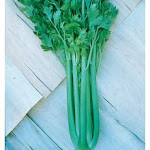
| Tango Hybrid Celery |
Celery Information
Vegetable Type: Annual
Name: Apium graveolens var. dulce
Family: Parsley
How to Grow Celery from Seed
- Start seeds 10-11 weeks before last scheduled frost
- Fill seed trays or pots ¾" with organic vegetable potting soil
- Pour seeds into envelope, add 1-2 tablespoons of sand; shake to mix
- Sprinkle seed mix over seed trays
- Loosely cover with 1/8” of soil
- Water lightly
- Set pots in sunny window
- When seedlings reach 2-3” tall, thin to 1 seedling per pot
- Keep seedlings moist until transplanting
How to Grow Celery Outdoors in the North
Growing celery in the north can be a tricky process - sometimes taking a few seasons to get the growing conditions right. Wait until temperatures are steadily 50°F or higher to transplant. Transplanting celery while soil and air temperatures are cool will kill off or stunt the plants.
When: All danger of frost has past and temps are consistently 50°F or higher
Soil: Fertile, well-draining soil. Till 3-4” of compost or composted manure into new beds before transplanting to provide plenty of nutrients
Light: Full-sun to part shade. Celery needs a good 6 hours of light a day
Spacing: 12” apart in rows 18-24” apart
Watering: Keep soil evenly moist - do not let soil dry out. Check plants daily, especially during dry periods
Fertilizing: Add 1-2” of compost/composted manure every 3-4 weeks as plants grow
Weeding: Keep well weeded so weeds don’t compete for water/nutrients
Mulching: Mulch around plants to prevent weeds and keep soil moist
Celery is a very heavy feeder and requires lots of nutrients to grow thick, healthy stalks. Always keep the plants well watered because the plants are not drought resistant. A lack of water will result in woody, thin stalks with little flavor.
Special Tips for Growing Celery
Support: As stalks grow, push soil up around bottom of plants for needed support
Blanching: Place cartons or brown paper bags (no bottoms) over stalks making sure leaves receive sunlight to whiten stalks
How to Harvest Celery
Harvest individual stalks for a longer harvest period or cleanly slice entire plant slightly below ground level with a sharp knife.
How to Store Celery
Store celery for up to a month in the fridge. If stalks go limp, place in a container of cold water to make crunchy again.
Celery Pest and Disease Control
Common Celery Pests
Aphids: Look for tiny, pear-shaped yellow, green or brown insects with long antennae and legs. Treat by spraying with a mixture of 1 tablespoon vegetable oil and ½ teaspoon of liquid soap mixed into a quart of water (shake well before using).
Snails/Slugs: Set out beer traps to trap slugs and snails. Fill empty tin cans (tuna) ¾ full with beer. Pests will crawl in and drown. Empty traps once a week, replacing bait.
Flea Beetles: Adults are 1/10 of an inch long and bronze, brown or black in color with long legs. They leave behind lots of small holes in cabbage leaves. Gently cultivate soil around plants to kill flea eggs. Control adults with floating row covers.
Carrot Root Fly: Maggots that feed on roots damaging or killing them. If the carrot root fly is a problem, harvest as soon as vegetables are ready. The Royal Horticultural Society lists several ways to treat carrot root flies organically.
Common Celery Diseases
Early Blight: Common in late summer/early fall. Begins with yellowing of leaves that turn brown in wet weather. Brown stripes may appear on stems.
Late Blight: Common in beginning of growing season. Begins with yellowing of leaves that turn brown. Remove all signs of blight from plants.
Dampening Off: When seedlings fail to emerge due to wet, cool conditions. Keep seedlings well watered but in a warm environment.
Bacterial Leaf Spot: Wet spots on leaves turn from yellow to brown. The main cause of this fungus is failure to remove celery plants from the garden from the previous season.
* Rotating crops is an effective way to help prevent celery diseases. To treat blight organically, try using an organic based copper fungicide.
Pest/Disease Source: Portlandnursery.com
Best Varieties of Celery to Grow in the North
Conquistador: Early variety - good for growing in the north. Produces tall, crisp stalks that are full of flavor. Adapts well. 80 days.
Tango Hybrid: High-yielding. Produces crunchy, sweet stalks ready for harvest 2 weeks earlier than older varieties. Resists Fusariums. 85 days.
Leafy Celery Varieties
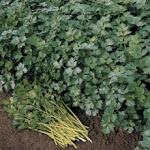 |
| Safir Leafy Celery |
Safir: Peppery and crisp in taste. Produces abundant, leafy tops and lots of thin stalks. Harvest as needed. 78 days.
Celeriac Varieties
Prinz: High-yielding. Variety produces uniform roots large in size and creamy white in color. 95 days.
Related Articles
How to Blanch and Freeze Vegetables
How to Make Your Own Seed Tapes


