Showing posts with label variety. Show all posts

Friday, May 24, 2013

Best Varieties of Cucumber to Grow in the North


Image: Rusty.Grass

There are many types and varieties of cucumbers to choose from, all of which can be grown in the north because most take 55 days or less to mature. This makes choosing a variety based on taste and use easier, whether it's a pickling cuke, one that's great in a salad, or one that contains few seeds and less acid making it easier on the digestive system.

Types of Cucumbers


Slicing: Cucumbers average 7-9" long with relatively thin skins and few spines

Pickling: Cucumbers average 4-5" long and are block-shaped with minimal spines

Seedless and Thin Skinned: Few to no seeds with thin skins

Specialty: Cucumbers that are unique is size, color & shape

Slicing Cucumber Varieties


Slicing Cucumbers
Sweet Yet Hybrid: Early variety produces 10-12" long cucumbers. Burpless, sweet and thin skinned. Dark green in color. 48 days.

Corinto: American variety growing 7-8" long with dark green skins. Does well in hot or cool weather. Small seed cavity. 48 days.

General Lee: American variety growing 8-8.5" long with dark skins and white spines. Averages high yields. 52 days.

Olympian: American variety growing 8-9" long with dark green skins. Crisp with a fresh flavor. Produces high yields. Very disease resistant. 52 days.

Early Spring Burpless Hybrid: Vigorous variety produces 12-15" long cucumbers with dark green skins and bright white flesh. Crisp and mild in taste. 52 days.

Marketmore: American variety growing 8-9" long with dark green skins. Slender in size. Popular in the north. 58 days.

Sweet Slice Hybrid: Burpless variety produces 10-12" cucumbers that are bitter-free and mild in flavor. Tolerates mildew and scab. 63 days.

Straight Eight: Produces 8" cucumbers up to 2.5" wide and dark green in color. Crisp with a small seed cavity. 65 days.

Pickling Cucumber Varieties


Pickling Cucumbers
Harmonie: European variety best when harvested at 3-5". Produces high yields of dark green cucumbers with noticeable taste. 47 days.

Bush Pickle Hybrid: Extra early variety produces 5" cucumbers. Great for small gardens or containers. Mild in flavor. 45 days.

Northern Pickling: American variety best when harvested at 3-5". Produces medium green fruits on compact vines. Great for small gardens and containers. 48 days.

Vertina: European variety best when harvested at 3-5". Produces high yields of dark green cucumbers with black spines. 49 days.

Jackson Classic: American variety best when harvested at 3-5". Blocky in size and dark green in color with white spines. Disease resistant. 49 days.

Salt and Pepper: American variety best when harvested at 3-5". Produces white skinned cucumbers with black spines. Disease resistant. 49 days.

Adam Gherkin: European variety best when harvested at 2-3". Produces high yields of dark green cucumbers with noticeable taste. 50 days.

Excelsior: American variety best when harvested at 4-5". Produces high yields of dark green, blocky cucumbers. Intense flavor. 50 days.

Miss Pickler Hybrid: Early, vigorous  variety. Cucumbers are crisp, blocky and medium-green in color. Retains crispness when pickled. 50 days.

Little Leaf: American variety best when harvested at 3-5". Produces emerald green skinned cucumbers on compact vines. Great for pickling or eating fresh. 57 days.

Eureka Hybrid: Great variety for pickling or slicing. Harvest at 2-4" for pickling and 7" for slicing. Vigorous plants produce deep green skinned cucumbers. 57 days.

Sassy Hybrid: Great variety for pickling or slicing. Harvest at 3-5" for pickling or 6-10" for slicing. Produces crisp and plump cucumbers. 57 days.

Seedless and Thin Skinned Varieties of Cucumbers


Seedless Cucumbers
Rocky: Extra early and seedless variety best when harvested at 3.5". Very tender. High yielding.

Katrina: Seedless variety best when harvested at 5.5-6.5". Medium sized and full of flavor. 49 days.

Socrates: Thin skinned and seedless  variety grows 7-8". Sweet and tender in taste. Dark skinned. 52 days.

Sweet Success Hybrid: Early seedless variety. Crisp, mild in flavor and acid-free cucumbers reach an average of 14". Tolerates scab and mosaic virus. 54 days.

Amiga: Thin skinned variety grows 6" cucumbers. Flavorful and dark green in color. Disease resistant. 55 days.

Tyria: Seedless variety grows up to 14". Dark green cucumbers are slightly ribbed. Resistant to target spot. 56 days.

Diva: Seedless and bitter-free variety. Cucumbers are crisp and sweet to taste. 58 days.

Iznik Hybrid: Gourmet cocktail variety with thin skin and very few seeds. Mimics melon in taste. Vigorous variety great for eating fresh. Pickles well. 60 days.

Specialty Varieties of Cucumbers


Specialty Cucumbers
Tasty Jade: Produces 11-12" cucumbers on high yielding plants. Fresh in flavor and thin skinned. 54 days.

Suyo Long: Chinese variety produces cucumbers up to 15". Very adaptable. Great for pickling. 61 days.

Striped Armenian: Produces flavorful cucumbers that are best when harvested at 8-18". Grows “S” in shape. Flavorful. Skins alternate between dark and light green stripes. 63 days.

Lemon: Produces sweet and flavorful yellow skinned cucumbers resembling lemons. Best when harvested at 1.5-2.5". Good fresh or pickled. 65 days.


Wednesday, May 15, 2013

Best Varieties of Sweet Corn to Grow in the North

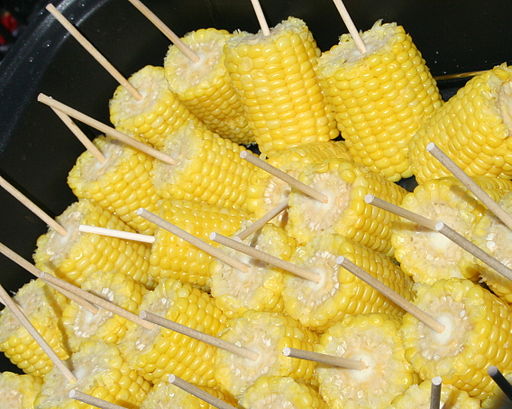
Image: Jonathunder

Corn is a staple in many northern gardens across the U.S. Not only is it versatile, it comes in many different varieties ranging from super sweet to the kind that you pop. For gardeners in the north, the best varieties of corn to grow take 70 days or less to mature.

Types of Corn


When leafing through the seed catalog, you’ll come across abbreviations in the corn descriptions. I have listed each abbreviation, what it stands for and what it means. Abbreviations are included  in each description of corn I have listed as well.

(se) - Sugary-Enhanced Hybrids: Contains high levels of sugar between 14-35% depending on the variety. Known for its creamy texture, taste and tenderness.

(su) - Normal or High Sugar Hybrids: Contains 9-16% sugar depending on the variety. Known for its full flavor and firm, creamy texture.

(sh2) Super Sweet Hybrids: Contains very high sugar levels between 28-44% depending on the variety. Known for its super-sweet flavor and crisp texture.

Synergistic: A cross between (se) and (sh2) varieties containing 75% (se) kernels and 25% (sh2) kernels. Known for its tenderness and sweet flavor.


  • Varieties of corn come in 3 colors: yellow, white and bicolor. To simplify this post, I have listed varieties by color. 


Varieties of Corn


Yellow Varieties of Corn


Early Sunglow Hybrid (se): Early variety. Ears grow 6-7” with meaty kernels on short stalks. 62 days.

Legend Hybrid (se): Early variety. Ears grow 7-9” with plump, creamy-sweet kernels. Disease resistant and cold hardy making it a great choice for the north. 65 days.

Spring Treat (se): Yellow sweet variety. Easy harvesting. 66 days.

Precocious Hybrid (se): Early variety. Grows full-tipped ears on 5’ stalks. Sweet to taste. Adapts well. 66 days.

Northern Xtra-Sweet (sh2): Early, tender variety. A northern favorite because it germinates well in cold soils. Large ears are sweet in flavor. Comes in yellow, white and bicolor varieties. 67 days.

Sugar Buns (se): Kernels are deep and narrow. Variety holds up well in the garden. 70 days.

Bicolor Varieties of Corn


Native Gem Hybrid (se): Early variety. Ears grow an average of 8” with full rows of kernels. Very sweet. 66 days.

Trinity (se): Very sweet variety with crisp, fine kernels and narrow ears. Does well when planted in cool weather making it great for the north. 68 days.

Quickie (se): Tender, sweet variety. Ears average 7". Does well in cold soil making it great for the north. 68 days.

Pay Dirt (synergistic): Very sweet variety with tender kernels. Ears grow 7.5-8" long. Tolerates rust. 69 days.


Monday, May 6, 2013

Best Varieties of Swiss Chard to Grow in the North


Image: giffconstable/"Bright Lights"
Swiss chard is edible from stalk to stem and can be added to soups, stews and salads or steamed as a mildly-sweet side dish. As vegetables go, Swiss chard is pretty easy to grow and it’s 60 days or less to maturity fits well with the north’s short growing season.

Bright Lights Chard: Variety produces pink, red, yellow and orange stalks topped with green leaves. Easy to grow. Tolerates heat well. 55 days.

Rhubarb Swiss Chard: Produces dark red stalks topped with dark green leaves. Easy to grow. Variety provides a continual harvest. 55 days.

Fordhook Giant Swiss Chard: Produces thick, ivory stalks up to 2.5” topped with broad, dark green leaves. Tolerates light frost. High yielding variety. 55-60 days.
psd/"Fordhook Giant"

Ruby Red Swiss Chard: Produces ruby red stalks topped with shiny, dark green leaves. Consistent yielding variety. 55-60 days.

Magenta Sunset: Produces narrow, pink stems topped with smooth leaves. Mild in flavor. 28 days for baby, 55 days for bunching.

Bright Yellow: Produces bright yellow stems topped shiny, deep green leaves. 30 for baby, 57 days for bunching.

Living in Monrovia/"Bright Yellow"
Lucullus Swiss Chard: Variety produces ivory stalks topped green leaves. Mildly sweet in taste. Bolt resistant. 60 days.

El Dorado: Produces golden stalks topped dark green leaves. Slow to bolt and frost resistant. Vigorous variety great for baby greens. 60 days.

Peppermint: Produces pink stems with white stripes topped with dark green leaves. 33 days for baby, 60 days for bunching.


Friday, April 5, 2013

Types and Varieties of Celery

Tango Hybrid Celery
There are 3 main types of celery and a handful of varieties to choose from. When selecting a variety to grow, consider your USDA zone and how long a growing season you have.

Types of Celery


Celery: Produces long, crunchy stalks green to dark green in color with minimal foliage on top.

Leafy Celery: Produces thin stalks and lots of edible foliage. This type of celery is sometimes called cutting celery.

Celeriac: A root vegetable. Produces large roots which must be peeled before eaten.


Varieties of Differernt Types of Celery

Celery Varieties


Conquistador: Early variety - good for growing in the north. Produces tall, crisp stalks that are full of flavor. Adapts well. 80 days.

Tango Hybrid: High-yielding. Produces crunchy, sweet stalks ready for harvest 2 weeks earlier than older varieties. Resists Fusariums. 85 days.

Utah 52-70: Produces dark green stalks, some up to 12” tall, and strong rooted plants. Adapts well to different climates and soils. 100 days.

Leafy Celery Varieties


Safir Leafy Celery
Safir: Peppery and crisp in taste. Produces abundant, leafy tops and lots of thin stalks. Harvest as needed. 78 days.

Celeriac Varieties


Prinz: High-yielding. Variety produces uniform roots large in size and creamy white in color. 95 days. 

Monarch Celeriac
Monarch: Roots are large, firm and creamy white in color. Has a celery-like taste. Tolerates celery virus very well. 100 days. 

Brilliant: Pale green in color with curly tops. Stores well, up to 3 months. Crisp, refreshing flavor. 105-115 days. 


Sources: Gurney's Seed and Nursery Co., Park Seed Co., Generic Seeds, Johnny's Selected Seeds


Wednesday, April 3, 2013

Best Types of Celery to Grow in the North

Tango Hybrid Celery

Celery is a great vegetable to try growing, even in the north. Normally, I’d suggest a variety that takes 70 days or less to mature to fit our growing season, but since celery is slow to grow, I did my best to come up with some varieties to try.

Celery Varieties


Conquistador: Early variety - good for growing in the north. Produces tall, crisp stalks that are full of flavor. Adapts well. 80 days.

Tango Hybrid: High-yielding. Produces crunchy, sweet stalks ready for harvest 2 weeks earlier than older varieties. Resists Fusariums. 85 days.

Leafy Celery Varieties

Safir Leafy Celery

Safir: Peppery and crisp in taste. Produces abundant, leafy tops and lots of thin stalks. Harvest as needed. 78 days.


Celeriac Varieties

Monarch Celeriac


Prinz: High-yielding. Variety produces uniform roots large in size and creamy white in color. 95 days.


Sources: Park Seed Co., Generic Seeds, Johnny's Selected Seeds

Friday, March 22, 2013

Types and Varieties of Carrots


There are 5 main types of carrots which, for the most part, are defined by their average length and other characteristics. When growing carrots, keep in mind that environmental factors such as soil type and moisture effect how well carrots grow, including their size. Always grow a variety that is suitable to the length of the growing season.

Types of Carrots


Baby Carrots: Up to 5” cylindrical, tapered or round roots. Short storage life. Spring 50-60 days, fall - 60-70 days to maturity.

Nantes: 5-7” cylindrical roots. Short storage life. Spring - 55-70 days, fall - 60-75 days to maturity.

Chantenay: 5-6" long medium-light orange roots with red cores. Broad shouldered with rounded roots. Spring - 55-70 days, fall - 70-110 days to maturity.

Imperator: 7-8” long with tapered roots and wide shoulders. Spring - 55-100 days, fall - 80-110 days to maturity.

Danvers: Up to 7” long. Thick, cylindrical roots. Good for juicing, freezing and preserving. Spring - 70-80 days, fall - 80-110 days to maturity.

Sources: growit.umd.edu - mothearthnews.com

Varieties of Carrots


Rainbow Blend: Mix of purple, white, red & yellow carrots. Each has it’s own taste and texture. Exciting variety to grow with kids. 58-65 days.

Nelson Hybrid: Nantes type. Extra-early variety. Almost coreless and dark orange in color. Smooth and straight roots. Does not taper. 58 days.

Yaya Hybrid: 6” long blunt tipped roots. High-yielding variety. Crunchy and sweet. Holds well in the garden. 60 days.

Little Finger: 4” long baby variety. Crisp and juicy. Dark orange in color. Resists tapering. 60 days.

Organic Nantes
Organic Nantes: 6-7” and bright orange in color. Sweet, tender and crisp. Slices well. Early variety. 62 days.

Scarlet Nantes: 6” and almost coreless. Early variety sweet in flavor. Makes a great fresh snack. 65 days.

Nandrin Hybrid: 8-14” long. Extra-large variety. Tender and juicy. Great for juicing or cooking. 65 days.

Envy Hybrid: 12” cylindrical roots. Top fresh eating carrot variety. Grows fast even in poor or clay soils. 66 days.

Sugarsnax Hybrid: 9-11” long and very sweet in flavor. Cans and freezes well. A good variety for the north. 68 days.

Tendersnax Hybrid: 5-6” long with blunt tips. Ultra-sweet variety. Very juicy and tender. Disease resistant. 68 days.

Chantenay Red Core: 5 ½” long. Great for small gardens or containers. High-yielding variety. Orange-red in color throughout. 68 days.

Purple Haze: Rich purple in color with bright orange core. Sweet and strong in flavor. Vigorous variety. Easy to grow. 70 days.

Danvers 126: 7” long wide-topped roots. Good variety to grow in dense soils. Sweet and tender. 73 days.

Danvers Half Long: Medium-yield variety. 6-7 ½” long with blocky tops and chunky roots. Stores well. Can be grown in clay soils. 75 days.

Tendersweet: 7” long with tapered roots. One of the sweetest carrot varieties. Easy grower. 75 days.

Atomic Red Carrots
Atomic Red: 8-11” long tapered roots pink in color that turn scarlet after cooking. Tasty and nutritious variety. 75 days.

Atlas: 4” baby carrot. Good for containers and small gardens. Sweet in taste with lots of moisture. 75 days.

Imperator 58: 8-9” long thin, tapered roots. Full of flavor. Popular store variety. All-American Selections winner. 75 days.

Purple Haze Hybrid: 8-10” long with purple skin and bright orange flesh sweet in taste. All-America Selections winner. 90 days.

Royal Chantenay: Up to 6” long. Keeps flavor. Broad and hardy variety. 100 days.

Sources: Gurney's Seed and Nursery Co., Park Seed Co., Generic Seeds 

Wednesday, March 20, 2013

Best Varieties of Carrots to Grow in the North


Nelson Hybrid
The north is a great place to grow carrots. To ensure they have enough time to grow, it’s best to plant an early variety. Early varieties are those that take 70 days or less to mature, giving northern gardeners plenty to choose from.

Nelson Hybrid: Nantes type. Extra-early variety. Almost coreless and dark orange in color. Smooth and straight roots. Does not taper. 58 days.

Rainbow Blend: Mix of purple, white, red & yellow carrots. Each has it’s own taste and texture. Exciting variety to grow with kids. 58-65 days.

Yaya Hybrid: 6” long blunt tipped roots. High-yielding variety. Crunchy and sweet. Holds well in the garden. 60 days.

Little Finger
Little Finger: 4” long baby variety. Crisp and juicy. Dark orange in color. Resists tapering. 60 days.

Organic Nantes: 6-7” roots bright orange in color. Sweet, tender and crisp. Slices well. Early variety. 62 days.

Scarlet Nantes: 6” long and almost coreless. Early variety sweet in flavor. Makes a great fresh snack. 65 days.

Nandrin Hybrid: 8-14” long. Extra-large variety. Tender and juicy. Great for juicing or cooking. 65 days.

Nandrin Hybrid
Envy Hybrid: 12” cylindrical roots. Top fresh-eating carrot variety. Grows fast even in poor or clay soils. 66 days.

Sugarsnax Hybrid: 9-11” long and very sweet in flavor. Cans and freezes well. A good variety for the north. 68 days.

Tendersnax Hybrid: 5-6” long with blunt tips. Ultra-sweet variety. Very juicy and tender. Disease resistant. 68 days.

Chantenay Red Core: 5 ½” long. Great for small gardens or containers. High-yielding variety. Orange-red in color throughout. 68 days.

Purple Haze
Purple Haze: Rich purple in color with bright orange core. Sweet and strong in flavor. Vigorous variety. Easy to grow. 70 days.


Wednesday, March 13, 2013

Types and Varieties of Cabbage


Gonzales Cabbage

Types of Cabbage


Green Cabbage: Green cabbage forms heads of different sizes with green outer leaves that typically get lighter near the core of the cabbage. Almost the entire heads are edible, except the core, and work well in main dishes as well as raw in slaws and salads.

Red Cabbage: Red cabbage is similar to green cabbage only it's reddish-purple in color. Red cabbage has a bolder flavor than green and makes a striking contrast in color.

Savoy Cabbage: Savoy cabbage has lots of showy leaves, usually green to purple in color depending on the variety. The heads are not compact, rather made from loosely wrapped leaves which are tender and great for making wraps or slaws or eaten raw. Savoy cabbage has a mildly sweet flavor.

Chinese Cabbage: Chinese cabbage has stems and leaves that grow upwards rather than compactly in heads. Both the stems and leaves are edible. Chinese cabbage typically takes less days to mature than other varieties.

Mini Cabbage: Mini cabbages grow on compact plants and are typically less than 6 inches in size. Mini cabbages are either round or cone-shaped. Their varieties are great for small gardens.

Note: Days to variety are from transplants unless otherwise noted.


Cabbage Varieties


Green Cabbage Varieties


Golden Acre: Early variety. Produces 3-4 inch heads on compact plants. Heads are solid with sweet, crisp greens. Disease resistant. 58 days.

Farao: Early variety. Produces 3-4 pound heads peppery-sweet in taste. Leaves are thin and crisp. Resists thrips. 64 days.

Stonehead Hybrid: Produces 4-6 pound heads which are very compact. Tight heads have short cores. Resists yellowing and black rot. 67 days.

Copenhagen: High-yielding variety. Produces heads up to 8 inches across. Heads are solid and keep well. 70 days.

Tropic Giant Hybrid: Main season variety. Produces some of the largest heads of any variety - up to 12 inches across and 15 pounds in weight. Flattish-round heads are pale green in color. Requires lots of room to grow. 72 days.

KY Cross: Produces small, uniform heads. Leaves are thin and full of flavor. Great for eating raw. 75 days.

Megaton Hybrid: Heavy-yielding variety. Produces 16 inch heads weighing up to 15 pounds. Sweet and mild in flavor. Stores well. Disease resistant. 88 days.

Sweet Surprise Hybrid: Produces 10-12 inch heads sweet in flavor. Stores well. Disease resistant. 125 days from seed, 90 days from transplant.

Kaitlin: Great sauerkraut variety. High-yielding, late season variety. Produces large heads with medium storage. Insides are white. 94 days.

Storage #4: Produces 4-8 pound heads in mid-fall. Heads are round with tapered base. Stores well. Resists fusarium yellows. 95 days.

Danish Ballhead: Produces bluish-green heads 8 inches in size. Easy to grow variety. Stores well. Bolt resistant. 100 days.

Late Flat Dutch: Late variety. Produces flattish heads 10 inches across. Heads are sweet and mild in flavor and pale green in color. Ships and stores well. 110 days.

Red Cabbage Varieties


Red Express: Extra-early variety. Produces 2-4 pound heads on compact plants. High in flavor. Resists cracking. Recommended for the north.

Red Acre: Produces 7 inch heads about 3 pounds in weight. Heads are reddish-purple in color and tightly packed. Resists cabbage yellowing. 65 days.

Super Red: Produces medium-sized heads. Cabbage is peppery in taste with a tender, crisp texture. Resists splitting. 73 days.

Ruby Perfection: Mid-late season variety. Produces dense, medium-sized heads. Stores medium-well. Resists thrips. 85 days.

Integro: Mid-late season variety. Produces uniform, medium-sized heads. Short core with thick yet crisp leaves. 85 days.

Cairo Hybrid: Produces round, dense heads burgundy in color and averaging 3-6 pounds each. Sweet, crisp and tender. Disease resistant. 85 days.

Deadon Hybrid: Savoy-like variety. Produces heads with pinkish-purple outer leaves and green inner leaves. Peppery-sweet in taste. 105 days.

Mammoth Red Rock: Produces flattish heads up to 10 inches across. Solid red throughout. Stores well. 110 days.

Savoy Cabbage Varieties


Savoy Express Hybrid: Extra-early variety. Produces small heads about a pound in size. Great texture and flavor. Compact variety is great for small gardens. 55 days.

Autumn Jewel: Savoy-type variety. Produces large heads surrounded by pretty greens. Stores well and winter hardy. Not as compact as green cabbage varieties. 70 days.

Alcosa: Small, early variety. Produces 2-4 pound heads deep, bluish-green in color. Improves in flavor once cold weather sets in. 72 days.

Famosa: Mid-season variety. Produces 2-4 pound heads deep, bluish-green in color. Leaves are tender. 75 days.

Cairo Hybrid: Produces round, dense heads burgundy in color and averaging 3-6 pounds each. Sweet, crisp and tender. Disease resistant. 85 days.

Deadon: Produces medium-large heads magenta in color and sweet in flavor. Resists yellowing. 105 days.

Mammoth Red Rock: Produces flattish heads up to 10 inches across. Solid red throughout. Stores well. 110 days.

Chinese Cabbage Varieties


Pak Choi: White stem variety. Produces thick white stems and loose, green leaves. Leaves are mild in flavor. Hearty and cold resistant. Great variety for the north. 45 days.

Minuet: Mini, high-yielding variety. Produces 9"x7" heads with yellow interior and green exterior leaves. Sweet tasting. Resists bolting, bottom rot, black speck & downy mildew. 48 days.

Rubicon: Produces 11inch heads weighing 5 1/2 - 6 1/2 pounds. Heads have broad, white ribs with deep green outer leaves with yellow interior. Sweet and tangy taste. Very juicy. Resists black speck. Slow to bolt. 52 days.

Bilko: Produces 12 inch heads mildly sweet in taste. Adaptable. Resists club root, black speck and fusarium yellow. Slow to bolt. 54 days.

Kaboko Hybrid: Produces 16 inch tall and 12 inch wide heads green and white in color. Harvest entire cabbage heads or leaf by leaf. Super sweet in flavor. Disease resistant. 59 days.

Wa Wa Tsai Hybrid: Produces 10-18 ounce tender heads that are sweet in flavor. Great for small gardens. 60 days.

Mini Cabbage Varieties 

Gonzales: Produces 4-6 inch heads. Heads are compact and uniform in size with sweet and spicy leaves. Great variety for small gardens. 66 days.

Caraflex: Produces cone-shaped cabbages uniform in size. Mini heads have tender inner leaves great for slaw and salads. 68 days.


Resources: Johnny's Selected Seeds, Gurney's Seed and Nursery Co., Park Seed Co., Generic Seeds 

Monday, March 11, 2013

Best Cabbage Varieties to Grow in the North

Cabbage Blend


Seeing as the north has a short growing season, the best varieties of cabbage to grow are those that are 70 days to maturity or less. Always start seeds indoors or use locally bought transplants which are suitable for growing in their area.

Green Cabbage Varieties


Golden Acre: Early variety. Produces 3-4 inch heads on compact plants. Heads are solid with sweet, crisp greens. Disease resistant. 58 days.

Farao: Early variety. Produces 3-4 pound heads peppery-sweet in taste. Leaves are thin and crisp. Resists thrips. 64 days.

Stonehead Hybrid: Produces 4-6 pound heads which are very compact. Tight heads have short cores. Resists yellowing and black rot. 67 days.

Copenhagen: High-yielding variety. Produces heads up to 8 inches across. Heads are solid and keep well. 70 days.

Red Cabbage Varieties


Red Express: Extra-early variety. Produces 2-4 pound heads on compact plants. High in flavor. Resists cracking. Recommended for the north.

Red Acre: Produces 7 inch heads about 3 pounds in weight. Heads are reddish-purple in color and tightly packed. Resists cabbage yellowing. 65 days.

Savoy Cabbage Varieties


Savoy Express Hybrid: Extra-early variety. Produces small heads about a pound in size. Great texture and flavor. Compact variety great for small gardens. 55 days.

Autumn Jewel: Savoy-type variety. Produces large heads surrounded by pretty greens. Stores well and winter hardy. Not as compact as green cabbage varieties. 70 days.


Chinese Cabbage Varieties


Kaboko Hybrid Cabbage
Pak Choi: White stem variety. Produces thick white stems and loose, green leaves. Leaves are mild in flavor. Hearty and cold resistant. Great variety for the north. 45 days.

Kaboko Hybrid: Produces 16 inch tall and 12 inch wide heads green and white in color. Harvest entire cabbage heads or leaf by leaf. Super sweet in flavor. Disease resistant. 59 days.

Wa Wa Tsai Hybrid: Produces 10-18 ounce tender heads that are sweet in flavor. Great for small gardens. 60 days.

Mini Cabbage Varieties 


Caraflex Cabbage
Gonzales: Produces 4-6 inch heads. Heads are compact and uniform in size with sweet and spicy leaves. Great variety for small gardens. 66 days.

Caraflex: Produces cone-shaped cabbages uniform in size. Mini heads have tender inner leaves great for slaw and salads. 68 days.


Resources: Johnny's Selected Seeds, Gurney's Seed and Nursery Co., Park Seed Co., Generic Seeds 

Friday, March 1, 2013

Varieties of Brussels Sprouts to Grow in the North


Seeing as the north has a short growing season, there are handful of Brussels sprout varieties that grow best in the area. For the best results, always use transplants from the local nursery or start seeds indoors 6-8 weeks before the last scheduled frost. While the best varieties to grow in the north may be limited, the good news is, many Brussels sprouts improve with flavor after a frost.


Royal Marvel Hybrid Brussels Sprouts: Extra-early variety. Produces high yields of 1 inch sprouts dark green in color. Provides great taste as well as texture. Tastes great fresh or frozen. 85 days.

Churchill Brussels Sprouts: Early variety. Produces, large, smooth, flavorful sprouts medium-green in color. Adapts well to different climates. Vigorous grower. 90 days.

Long Island Improved Brussels Sprouts: Early variety. Produces 1 inch sprouts on 24 inch tall plants. Sprouts are firm. Prolific grower. Extended harvest. Freezes well. 90 days.

Nautic Brussels Sprouts: High-yielding especially in the north where fall is cool. Produces flavorful, medium-sized sprouts light green in color. Tolerates cold. Harvest in late fall. 105 days.


Wednesday, February 27, 2013

Varieties of Brussels Sprouts


Bitesize Brussels Sprouts
Brussels sprouts come in several varieties to suit the tastes and growing seasons of gardeners. Some mature earlier than others and offer an extended harvest. No matter which variety of Brussels sprouts are grown, they should always be harvested from bottom to top.

Royal Marvel Hybrid Brussels Sprouts: Extra-early variety. Produces high yields of 1 inch sprouts dark green in color. Provides great taste as well as texture. Tastes great fresh or frozen. 85 days.

Diablo
Churchill: Early variety. Produces, large, smooth, flavorful sprouts medium-green in color. Adapts well to different climates. Vigorous grower. 90 days.

Long Island Improved: Early variety. Produces 1 inch sprouts on 24 inch tall plants. Sprouts are firm. Prolific grower. Extended harvest. Freezes well. 90 days.

Nautic Brussels Sprouts: High-yielding especially in the north where fall is cool. Produces flavorful, medium-sized sprouts light green in color. Tolerates cold. Harvest in late fall. 105 days.

Falstaff
Diablo: Heavy-yielding. Produces smooth, medium-sized sprouts. Tolerates cold well. Great for fall harvest. 110 days.

Bitesize Brussels Sprouts: Gourmet variety. Produces mini sprouts packed with peppery flavor getting sweeter after frost. 120 days.

Falstaff Brussels Sprouts: Purplish-red variety. Produces sprouts with a mild, nutty flavor. Slow to mature. Color keeps after cooking. 125 days.


Generic Seeds- Garden Seeds Starting at $1.39

Friday, February 15, 2013

Types and Varieties of Broccoli


Belstar Broccoli

Types of Broccoli


Mini Broccoli: Entire bunch is harvested when buds appear or buds are harvested for an extended harvest. Buds form instead of full-sized heads.

Broccoli Raab: Edible leafy shoots and clumped flower buds that are sometimes bitter in taste.

Full-Sized Broccoli: Large plants that produce full-sized heads and lots of side shoots after main head has been harvested.

List of Broccoli Varieties


Mini Broccoli Varieties (Broccoli X Gailon)


Happy Rich: Produces large florets sweet in flavor. Plants are dark green with lots of side shoots. 55 days.

Atlantis: High yield potential. Florets are even bigger than “Happy Rich.” Harvest mature head to encourage side shoots to grow for an additional 4-6 weeks. Slightly sweet flavor. 60 days.

Santee: (sprouting broccoli) Produces sweet and tender purple florets with green stems. (Florets turn green after cooking.) Good for bunching. Harvest heads when mini in size. Grows best in cooler climates. Hot weather turns broccoli bitter. Produces for 3-5 weeks. 80-115 days.

Broccoli Raab Varieties


Sessantina Grossa: Early variety. Shoots and buds are thick and tender, resembling “mini” versions of full-sized broccoli. Best when used for an early harvest. 35 days.

Spring Raab: Best pick for growing and harvesting all season long. Large plants mature late. Great for pairing with Sessantina Grossa for extended harvest. 42 days.

Spigariello Liscia: Leaf variety grown similar to broccoli raab. Individual leaves or bunches can be harvested. If left to mature, mini broccoli heads will form. Sweetetaste. 45 days, 70 days for mini heads.

Full-Sized Broccoli


Green Goliath: Great garden variety. Produces bluish-green heads with tight buds and lots of side shoots. Large heads can be harvested over a 3 week period. 53 days.

Calabrese: Heirloom variety. Produces dark, bluish-green heads averaging 5” across on large 30-36” plants. 60-90 days.

Green Duke: Great southern variety. Vigorous grower producing high yields of dome shaped heads. Tolerates heat well. 70 days.


Broccoli Hybrids


Blue Wind: Early variety. Produces medium-sized blueish green heads. Uniform in size. Easy to harvest. 49 days.


Flash: Early variety. Produces bluish-green heads sweeter in flavor than most. Tolerates heat and Downy mildew. 50 days.


Amadeus: Early variety. Produces medium-sized heads blueish-green in color. Produces lots of side shoots. Attractive heads look good at markets with fine beads and uniform shape. Plants are medium-sized and vigorous. 56 days.

Packman Broccoli
Green Magic: Early variety. Produces smooth, uniform heads that are attractive to look at in markets. Plants are medium-sized. 57 days.

Packman Broccoli: Early Variety. High-yielding. Produces  8” dark-green domed heads with medium-large beads. Lots of side shoots. Freezes well. Tolerates heat. 57 days.

Premium Crop: Early variety. Produces 9” heads with tight beads. Plants can grow up to 2’ tall. Flavorful. 58 days.

Gypsy: Early variety. Produces uniform, well-domed heads with a medium-large bead size. Stems are medium in size. Produces a good amount of side shoots. Plants grow large and resist downy mildew well and have a good heat tolerance. 58 days.

Coronado Crown Broccoli
Coronado Crown: Great northern/southern variety. Produces solid, dome-shaped heads with tender, stringless stems. Produces lots of side shoots. Tolerates heat well. Freezes well. 58 days.

Green Magic: Produces blueish-green heads uniform in size and full of flavor. Tolerates downy mildew. Freezes well. 60 days.

Bay Meadows: Adaptable variety. Produces blueish-green heads with good domes. 60 days.

Arcadia: Cold variety. Produces firm, dark-green heads with a frosted look. Grows vigorously maturing mid to late season. Resists downy mildew, head rot & brown heads. Tolerates stress and cold well. 63 days.

Batavia: Produces dark-green heads with tight, medium beads. Adapts well. Resists powdery mildew. Heat and cold tolerant. 65 days.

Belstar Broccoli
Belstar: Adaptable variety. Produces medium-green heads with good domes and medium beads. Good shoot production. Tolerates stress well. 66 days.

Diplomat: A great variety for the north. Produces dense, dark-green heads medium-large in size with small beads. Good for bunching or crown cutting. Resists downy mildew well. 68 days.

Marathon: Fall/winter variety. Matures late in the season. Tolerates cold very well. Harvest in late summer and fall. 68 days.

Apollo: A cross between Calabrese and Chinese Kale. 24” tall plants are great for small gardens. Produces long, tender stalks. Harvest main head for lots of side shoots. Heavy producer. 80 days.

Summer Purple Broccoli
Summer Purple: Sprouting variety. Produces bright pink to dark violet florets on bright green stalks. Heat and cold tolerant. 120 days.

Non-Hybrid Broccoli Varieties


Waltham: Produces medium- large heads dark green in color. Plants grow up to 2’ tall. 85 days.

Open Pollinated Broccoli


De Cicco: Italian variety. Produces clusters of 3-4" main heads and lots of side shoots for an extended harvest. Good for spring and fall production. 48 days.

Resources: Johnny's Selected Seeds, Gurney's Seed and Nursery Co., Park Seed Co., Generic Seeds

Monday, February 4, 2013

List of Beet Varieties and Types


Chioggia Guardsmark
When it comes to choosing a beet variety to grow, there are a few things to consider. Are the beets for eating fresh, canning or both? Will the tops be eaten as well? How long is the growing season? Consider these factors when choosing a variety to grow.

Types of Beets


Round: Roots grow wider rather than longer making them round in shape.
Cylindrical: Roots grow longer rather than wider making them cylindrical in shape.

List of Beet Varieties by Type

Round Beet Varieties

Detroit Dark Red


Perfected Detroit: Grows uniform in size and color. Deep red with no rings or streaks. Sweet flavor great for eating fresh, pickling and canning. 58 days.

Harrier Hybrid: Provides a richly sweet, buttery flavor. Grows to softball size. Great for eating fresh, pickling and canning. 50 days.

Ruby Queen: Early variety. Roots are smoothed skinned and tender. Beets are deep red without rings. Colors holds up through processing. 52 days.

Moneta: Roots are uniform in size with a smooth texture. No need to thin these deep colored beets. Produces medium-tall greens. 46 days.

Merlin: Round roots grow uniform in size and are deep red in color. High sugar content. A good bunching beet. Shows some resistance to Downy Mildew and Cercospora.

Red Ace: Uniform in size and deep red in color. Sweet and tender. Expect rapid root growth. Greens are medium-tall with red veins. Can be bunched. 50 days.

Touchtone Gold: Gold colored beets remain gold even after cooking. Provides a sweet flavor and smooth texture. 55 days.

Blankoma: Roots are white and slightly conical. Tall, strong, green tops. 55 days.

Chioggia Guardsmark: Improved skin color with candy striping. Tolerates bolting. 55 days.

Egyptian Flat TF 68:  Early harvest - great for multiple plantings in the north. Roots grow 3-5” and are flattened. Great for serving whole. Very sweet. Prefers sandy soil. 50 days.

Red Cloud Hybrid: Improved Red Ace variety. Smooth, glossy, round roots are dark red. Rich in flavor. 60 days.

Aviv: Uniform in size. Edible from top to bottom. Winner of many taste tests. Dark red roots grow 2-4” with 20-24” tops. Great for canning. 60 days.

Boro Hybrid Organic: Certified organic variety. High-producing for both spring and fall crops. Uniform, deep-red roots grow mid-size. A top choice for pickling. 75 days.

Detroit Dark Red: All-purpose variety. Smooth, scarlet roots grow mid-size and are sweet and tender. Produces short tops. 60 days.

Bull’s Blood: All-purpose variety. Bulbs are sweet and firm, tops dark red and great for eating fresh. Tops - 35 days, Roots - 55 days.

Early Wonder Tall Top: Early variety. Roots grow to 3” and tops grow 18” tall and are great in salads. Roots have red skins and white insides with red stripes. 48-60 days.

Cylindrical Beet Varieties


Forono: Cylindrical variety. Sugary and sweet tasting. Slices round. Resists bolting. Holds up to a delayed harvest. 60 days.

Cylindra: Roots grow on average to 5" long and 2" wide. Large tops can be bunched. Easy to evenly slice. Great for cooking and canning. Resists Scab and Cercospora well. Good taste. 54 days.


Wednesday, January 30, 2013

Types and Varieties of Beans

Gibby's Garden

Types of Beans


Bush Beans: Plants are compact and do not need support unless otherwise stated. Bush beans typically produce their crop at once.
Pole Beans: Vining plants that grow best on trellises or fences. They produce beans over an extended period of time. 
Snap Beans: Snap beans can be both bush or pole varieties and are referred to as “stringless.”
Dry Beans: Beans made for shelling after plants have lost most leaves & have been allowed to dry.
Shell Beans: Beans made for shelling when fresh. Typically boiled or steamed before eating.

Colors: Green, yellow, purple

Varieties of Beans


Green Bush Beans


Advantage Bush Bean


Roma II: High-yields. Broad pods keep fresh taste and bright green color after processing. Plants grow upright. 59 days.

Early Contender: Early variety. Stringless pods grow 6-8" long and are tender. Cans and freezes well. Tolerates Mosiac Virus, heat and greasy pod. 49 days.

Blue Lake 274: High-yields produce all at once. Smooth pods grow 6-6 ½" long. Texture is firm and color is deep. 58 days.

Trofeo: High-yielding filet bean. Crisp, tender pods grow long and provide a buttery flavor. Resists Halo Blight, Anthracnose and bean Mosiac Virus. 58 days.

Jade: Long harvest period. Tender, stringless, straight pods grow 6 ½" long. Provides a sweet taste. Keeps bright green color when frozen. Easily adaptable. 60 days.

Derby: High-yields over long season. Tender, stringless pods grow to 7" long. Easy harvest. Good resistance to bean Mosiac Virus. 57 days.

Provider: Early variety. Adapts easily. Grows well in cool soil. 50 days.

Fresh Pick: High-yielding over extended period. Plants grow large; fewer needed for large crop. 53 days.

Foremost: High-yields. Medium-sized plants can be hand or machine harvested. 53 days.

E-Z Pick: Beans mature all at once for an easy harvest. Plants are sturdy and upright. 55 days.

Venture: Extra-early variety. Extended harvest. Pods are crisp and tender and grow to 5”.  Great for northern gardens; tolerates cool soil. 48 days.

Kentucky Wonder 125: Early variety. High-yielding. Pods grow 7-8” long. Tender beans compare to the pole variety. No staking needed. 45 days. 

Tenderette: High-yielding over extended season. Stringless, straight pods grow 5” long. Flavorful. Cans and freezes well. 58 days.

Festina: Dark green pods are packed with vitamins. Pods grow 6” long. Provides crisp, tender-sweet taste. Great for hot climates. 56 days.

Nash: Early variety. High-yielding. Straight pods grow 5 3/4” long and are plump and succulent. Great for warm climates. 54 days.

Advantage: High-yielding with slow seed development. Extended harvest. Long, slender pods grow 6 ½" long and are moist and tender. Full of flavor and great for eating fresh, cooking, canning and freezing. 58 days.

Maxibel: European gourmet bean. Slender, stringless pods grow 7-7 ½" long and are dark green in color. Can be used as a snap or filet bean. 59 days.

Gina: Early Romano bean. Large yields. Broad, flat pods grow 5-5 ½" long with large beans packed with flavor. Resists Common Bean Mosiac. 55 days. 

Slenderette: Heavy-yielding. Stringless, crisp pods grow 5" long with white beans. Tastes great fresh and freezes well. 53 days.

California Blackeye: High-yielding. Pods grow 7-8” long producing smooth beans. Resistant to most common bean and pea viruses. 75 days.

Harvester: Hardy variety. Pods grow up to 6” long on upright plants. Resists Common Bean Mosiac Virus, Bean Rust Virus and root rot. 53 days.

Strike: Easy to harvest. Pods grow 5 ½” long and are close together. 53 days.

Stringless Green Pod: Early variety. Stringless, curved pods grow 5-6” long. 50 days.

Tendergreen: High-yielding. Loves warm climates. Pods grow 6” long. 58 days. 

Topcrop: High-yielding. Stringless pods grow 6” long. Resists Bean Mosiac Virus and Bean Pod Mottle Virus. All American Selections Winner. 54 days. 

Purple Bush Beans


Dwarf Velour


Amethyst: Thin, straight pods grow 5-5 ½" long and are burgundy in color. Tasty raw or cooked. Turn green after cooking. 56 days.

Royal Burgundy: Pods grow to 5" and are dark burgundy in color. Turn green after cooking. 55 days.

Dwarf Velour French Bean: Heavy-yielding over extended season. Stringless, long, slender pods grow 5-6" long and are royal purple in color. Gourmet beans are succulent and packed with flavor. 55 days. 

Yellow Bush Beans


Rocdor Bush Bean


Imperial Golden Wax: High-yielding. Stringless, bright-yellow pods that grow 4-5" long with a buttery taste. Plants reach 16-18" high. Great for small or large gardens. 50 days.
    
Rocdor: Early variety. Straight, long pods grow to 6 ½" and are deep yellow when mature. 52 days.

Carson: High-yielding. Yellow pods grow 5 ½" long. Plants are vigorous. Good disease resistance. 52 days.

Soleil: High-yielding. Pods are straight and thin and grow to 4”. Plants are compact at 2’ high and 1’ wide when mature. Great flavor with no aftertaste. 60 days.

Capitano: High-yielding gourmet Romano bean. Flat pods grow 6" long and are golden-yellow in color. Beans grow uniformly with a velvety texture. 60 days.   

Goldcrop: Early variety. Stringless, straight pods grow 5-7” long and are wax colored. Adapts well. Easy to harvest beans grow near tops of plants. 55 days. 

Top Notch Golden Wax: Early variety. Straight, stringless pods are slightly flat and grow on 15-18” tall plants. 50-55 days.

Green Pole Beans


Blue Lake Pole Bean


Fortex: Extended harvest. Stringless, firm pods grow to 11" long. Can be used as a filet bean at 7". 60 days.

Northeaster: Early variety. Sweet, rich pods grow 8" long and 1" wide. Pods are flat, tender and stringless. 56 days.

Garden of Eden: Italian-style heirloom variety. Flat, broad pods grow 6" long and are medium-green in color. Sweet and tender. 65 days.

Kentucky Wonder: High-yields. Straight, smooth pods grow 8-9" long. Vigorous grower. Resists rust. 67 days.

Blue Lake: High-Yields. Straight, stringless pods grow 6" long. Tender and full-bodied. Cans well. 63 days.

Rattlesnake: Productive. Stringless, tender pods grow 7" long and are flat. Green pods are streaked with purple. 73 days. 

Gita: (yard long) Stringless, rich, sweet pods grow 16-20" long. Great for stir-fries and Asian cuisine. Produces smaller yields in cooler areas. 78 days.

Orient Wonder: (yard long) Crisp, tender pods grow 15-18" long. Widely adaptable. Great in stir-fries and Asian cuisine. 85 days.

Smeraldo: High-yielding flat bean. Long, straight pods grow 8-10" long on 4-6' tall x 2' wide plants. Packs lots of flavor. 55 days.

Mountaineer White Half Runner: (Also known as Old Dutch Half Runner) Great-yields. Slender, tender pods are rich in flavor. 57 days.

Algarve French Climbing: High-yielding, early harvest. Stringless, uniform, flat-like pods grow 10" long on 6-7' vines. This French gourmet climbing bean is resistant to Bean Mosiac Virus. 52 days. 

Kentucky Blue: High-yielding. Succulent, tender pods grow 9" long on 5-8' vines. Light-stringed pods taste like a cross between Kentucky Wonder and Blue Lake beans. 58 days. 

Kwintus: (formerly known as Early Riser) European variety. Flat, stringless and succulent pods grow 10" long on 5-8' vines. Italian flavor. 43 days. 


Yellow Pole Beans


Marvel of Venice: Heirloom/early variety. Flavorful pods grow 8-9" long and 3/4" wide. Vines grow vigorously. 54 days. 

Purple Pole Beans


Trionfo Violetto


Purple Pod: Stringless, tender pods grow 6-7" long. Deep purple when raw; turns green after cooking. 67 days.

Trionfo Violetto: Heavy-producing Italian heirloom. Succulent pods grow 6" long with a diameter of a drinking straw. Pods grow from summer till early fall in most climates. 75 days.

Fresh Shell Beans


62X Dwarf Horticultural Taylor Strain: Early variety. Pods grow to 5 ½-6” with broad, oval beans. Beans are white-ish in color with red specks. 68 days.

Tongue of Fire: Italian variety. Good fresh, frozen or dried. Easy to shell pods produce 8-10 beans each. 76 days.

Borlotto Solista: Vigorous-yielding Italian bean. Pods grow 9" long and produce meaty, cream-colored beans with maroon stripes and streaks. Kidney-shaped. Hard shelled. 85-95 days. 

Black Valentine: Heirloom variety. Bush bean. Pods grow 6” long and can be eaten fresh when young or shelled when mature. Produces all black beans. 70 days. 

Lima Beans


Fordhook Lima Bean


Fordhook 242: Prolific grower/bush bean. Heat and drought tolerant. Pods contain 3-5 beans each. 75 days.

Baby Thorogreen: Early maturing. Beans grow in clusters on dwarf plants. Beans are plump and great for canning and drying. Grows well in the north. 67 days.

Eastland: Bush/early variety. High yields over extended season. Semi-flat, uniform pods grow 3-4" long and produce succulent, flavorful beans. 68 days. 

Dixie Butterpea: Bush variety. Huge yields. Beans are succulent and rich growing nearly-round and white in color. Meaty taste. Resists Downy Mildew. 75 days. 

Henderson: Bush variety. Large pods produce 3-4 beans each. Cans and freezes well. 67 days. 

Soy Beans


Black Jet: High yields/prolific grower. Beans are jet black and packed with flavor. Plants grow 2’ high. Easy to grow. 104 days.

Envy: Low-yields. Early variety. Great for short seasons. Beans are bright-green and can be used fresh or dried or for edamame. Plants grow upright to 2’ tall. 75 days.

Tohya: Early variety. Green pods are plump and average 3 beans per pod. Beans have a  firm texture and buttery flavor. Comparable to “Butterbeans”. Plants are compact and grow to about 2’ tall. 78 days.

Butterbeans: High-yielding. Prolific grower. Pods produce 3 large beans on average. Beans are sweet and buttery to taste. Easy to shell. Plants grow 2-2 ½’ tall. A favorite among soybeans. 90 days. 

BeSweet 292: Bush variety. Edamame. Pods grow 2-3 beans each. High in protein. 85 days.

Fava Beans


Windsor: Old English variety. Pods grow 5-6” long and produce 3-5 large beans 1” in size. Grows well under cool, mild conditions. 75 days.

Broad Windsor: Pods grow 7” long and produce 5-6 large, flat beans each. Eat fresh pods when young or as shell beans when mature. Unique flavor. 120-150 days. 

Other Shell Beans


Calypso: Half black, half white beans. Double in sized when boiled. Great for soups and baking. Meaty beans have mild flavor. 90 days.

Dry Shell Beans


Yin Yang


Kenearly Yellow Eye: Easy harvest - best for baking. Compares to Maine Yellow ye. Great for baked beans, soups, stews and creamy broth. Beans are uniform and white with light-brown eyes. 90 days.

Vermont Cranberry: Northern New England Variety. Pods grow 6” on upright plants. Medium-sized beans are oval in shape, plump and red and pink striped. Mild taste is great for baking or in soups and stews. Can be shelled fresh or dried. 75 days fresh, 98 days dry. 

European Soldier: White kidney-bean. Beans are medium-sized and great for baking and stews. 95 days. 

Light Red Kidney: Early variety. Light-red kidney bean good for salads, chili and stew. 95 days.

Midnight Black Turtle Soup: Small black beans grow on tall, upright bushes. Beans grow to about the size of a pea. A favorite in Latin cooking. Great for refrying and in soups and stews. 104 days.