Showing posts with label vegetable. Show all posts

Wednesday, May 1, 2013

Tips for Amending Garden Soil Organically


Image: OakleyOriginals/Flickr
You don’t have to be a chemist or even a green thumb to amend the soil in your vegetable garden. With a few tips and the right tools, adding organic nutrients is easy. For hardcore gardeners, figuring out what the soil is lacking is the first step (this is done with a home soil test kit). For gardeners like me, who are easy going, adding amendments means tilling in a few inches of compost and calling it a day.

Types of Organic Soil Amendments


Year-Old Manure: Very important that it’s rotted so it doesn’t burn the roots of some plants or cause them to grow enormously but not produce any flowers, fruits or vegetables.

Finished Compost: “Black Gold” Finished compost does not have a rotted odor, rather it should smell like earth. It should be dark in color and be completely broken down with no chunks of decomposing material.

Store-Bought Organic Fertilizer: Really read the label on bags of “organic” fertilizers before buying them. Look for N-P-K ratios that are lower than 8 and stay away from ingredients such as superphosphate, nitrate, urea, phosphoric, ammonium, & muriate. (Garden Smarts)

Tips for Adding Organic Soil Amendments


  • When amending the soil using an organic fertilizer, remember that too much isn’t always a good thing 
  • ALWAYS follow the directions on bags of store bought fertilizers
  • If you can, add organic amendments in fall so they have time to absorb into the soil
  • Only use year-old or fully rotted manure to avoid burning, stunning or stunting vegetables
  • Follow my guide for How Much Compost to Add to the Vegetable Garden
  • Till organic soil amendments a good 4-6” into the ground


Monday, April 1, 2013

Gibby’s Garden Diary is Back for 2013!


April 1, 2013


The first of April seemed like a good time for Gibby’s Garden to make our first garden diary entry of the year. Despite the foot of snow we had on the first day of spring, it seems like we’ll be on schedule for starting to plant our gardens at the end of the month here in the north.

I’ve already ordered and received most of my seeds and can’t wait to get them in the ground, though I’ll have to be patient as the last of the snow melts and the ground thaws. While I wait until my gardens are workable and ready for some fresh compost and tilling, I’ll be busy making rough sketches of where each of my vegetables are to go.

Until the ground dries up and I can get outside and begin cleaning and working my gardens, there isn’t much else to do but plan, plan, plan and trust me, I have plenty of that to do with the seeds I ordered for this year.


What’s on the List of Vegetables to Plant in 2013?


  • Peas - Northfield
  • Spinach - Tyee
  • Corn - Northern Xtra Sweet Hybrid
  • Beans - Improved Golden Wax/Blue Lake Bush 
  • Beets - Ruby Queen
  • Carrots - Envy Hybrid
  • Chard - Bright Lights
  • Cucumbers - Miss Pickler Hybrid
  • Eggplant - Twilight Hybrid
  • Kohlrabi - Early White Vienna
  • Radish - Mixture
  • Turnips - Purple Top White Globe
  • Squash - Winter Table Ace Hybrid


These are the seeds I plan on planting to give myself a wide array of vegetables to work with and enjoy in 2013. Stay tuned to find out which seedlings and their varieties I’ll be picking up at my favorite nursery in another month or so. Until then, happy garden planting and please don’t forget to stop by occasionally for more garden diary updates.


Monday, March 4, 2013

Tips for Choosing Vegetable Varieties for the North


Gibby's Garden of Maine
Part of planning your vegetable garden means choosing the right varieties to grow in your USDA zone, as well as varieties that suit your needs. Some vegetables seem to have an endless amount of varieties to choose from, which can seem daunting, especially to the novice gardener. To make choosing a little easier, I’ve put together a list of tips I use when it comes to choosing vegetable varieties for my garden.

1. How big of yield do I want?
2. What size is my garden?
3. How many days to maturity?
4. What am I going to do with my vegetables?
5. Which varieties are best for freezing, canning or making sauce?
6. Do I want to try something new?

Typically, I want high yields of vegetables that I plan on freezing or canning such as beans and cucumbers. I start by thinking about which varieties I planted in the past, how well they grew in my garden and whether or not they suited my needs.

I then consider days to maturity as I flip through my seed catalogs. Seeing as I live in the north, I prefer to grow varieties with shorter days to maturity. When it comes to certain vegetables such as tomatoes and broccoli that take longer to grow, I plan on either starting my seeds indoors or buying transplants from my local nursery to get a head start on the growing season.

I have lots of room to grow my vegetables so the size of my garden is really an issue. For those with limited garden space, choosing bush varieties is a good way to go. Bush varieties are more compact, taking up less space in the garden. Many can even by grown in containers.

When I want to try a new vegetable or variety, I follow tips 1-5 to make choosing a little easier. My biggest concern is whether or not the vegetable will have enough time to fully mature in the north. Last year I tried kohlrabi for the first time - it didn’t do so great so I’ll be trying a different variety this year, because I am bound and determined to grow it successfully.

Lastly, it’s always a good idea to ask friends, family and neighbors which vegetable varieties they grow in their gardens. They’ll know first hand how well certain vegetables grow in the area, how high the yields are and whether or not they’re a good fit for the growing season.

Which vegetable varieties are you growing this year?


Monday, February 25, 2013

Vegetable Growing Guides for the North


I’m putting together a list of vegetable growing guides tailored for the north. I thought winter would the perfect time to get started on this project. As you can see, this is a work in progress. As I add new guides to Gibby’s Garden each week, I’ll link them from this page as well. Please come back often to check out the new guides or to leave me questions or comments.

Artichokes


How to Grow Artichokes in the North
Types and Varieties of Artichoke


Asparagus


How to Grow Asparagus in the North
Types and Varieties of Asparagus


Beans


How to Grow Beans in the North
Types and Varieties of Beans

Beets


How to Grow Beets in the North
Types and Varieties of Beets

Broccoli


How to Grow Broccoli in the North
Best Broccoli Varieties to Grow in the North
Types and Varieties of Broccoli


Brussels Sprouts


Monday, January 14, 2013

January Thaw


We're currently experiencing a January thaw here in Maine and other parts of the north. Besides providing a warm winter break, the sunny, mild weather is putting me in the mood to garden. Since it's only January, I can't start my seeds yet or head outdoors to prepare my gardens until spring. In the meantime, I'll be making a list of which vegetables to plant in 2013 and how many.

I'll be planting my usual crop of beans, peas, corn and tomatoes - many of which will be eaten fresh and the rest frozen. This year I'm going to try planting some new vegetables, one's I've never grown before, such as eggplant and turnips.

I've already been scouring online seed catalogs checking out the new varieties for 2013 and making a mental list of which seeds I want to order to be written down later. I've also been thinking ahead about rotating my crops and thinking about which vegetables to grow where.

In other news, a number of online gardening catalogs have discontinued their affiliate marketing relationship with Google, so I'll be begrudgingly removing all banners and links from Gibby's Garden over the next few weeks. The companies I speak of include Gurney's (one of my favorites), Breck's and a few others. Please be patient as I do this as these links will no longer work from this site and many others similar to mine.

What will you be doing in preparation for this year's vegetable garden?

Monday, January 7, 2013

Guide to Choosing Seeds for the Organic Vegetable Garden

Gibby's Garden

With so many varieties of vegetables to choose from, it can be hard to narrow down which vegetable seeds to choose and which seed company to buy them from. A few things to consider when choosing vegetable seeds is budget, USDA zone and how much space is available in the garden.

Tips for Choosing Vegetable Seeds and Varieties


Choosing Vegetable Seeds for the Northern Garden


3 questions to ask yourself before choosing which vegetable seeds to plant and tips to help make deciding which brand(s) of seeds to buy easier.

Read full article . . . 

Choosing Which Vegetables to Grow in Your Garden


Tips on choosing which types of vegetables and their varieties to plant in your garden. Follow this guide to make choosing the best vegetables to plant for you and your family simple and fun.

Read full article . . .

How Many Vegetables to Plant per Person


Figuring out how many vegetables to plant per person for an entire household can seem a little overwhelming. By answering a few questions and consulting a few free online charts, this process is a lot easier. Deciding how much of which vegetables to plant makes choosing vegetable varieties easier because you can choose from high or low yielding plants depending on the needs of your household.

Read full article . . .

Vegetable Seeds vs. Transplants: The Benefits of Each


Should you choose vegetable seeds, transplants or both? In the north, it’s best to use a mix of both and here’s why.

Read full article . . .

Buy Vegetable Seeds in Fall to Save Money


Buying your vegetable seeds in the fall and winter from online seed companies and catalogs can net you some pretty big savings. Many companies offer discounts and other incentives that are worth taking advantage of.

Read full article . . .

How to Make Your Own Seed Tapes


We all know how much of a pain it can be to plant those tiny seeds like radishes and carrots. To save on time, follow this guide to make your own seed tapes for next to nothing.

Read full article . . .


Friday, January 4, 2013

Vegetable Garden Maintenance and Protection Guide

Gibby's Garden

Maintaining your vegetable garden and offering it a little protection from the elements makes a big difference in how healthy and productive it grows. Learn tips and tricks from cleaning your garden and tools to maintaining and protecting your plants.

Garden Maintenance and Protection Guides


Spring Cleaning the Vegetable Garden


Once the snow melts and ground thaws here in the north, it’s time to head outside and clean and prepare the vegetable garden for the next growing season. Here are some tips to help guide you through the process.

Read full article . . . 

How to Clean Garden Tools


Clean garden tools are more efficient and last longer. Learn how to clean your garden tools, sharpen them yourself and which supplies are needed to get the job done.

Read full article . . .

3 Steps to Protect the Garden from Heavy Rain


When heavy rains are forecast, head outdoors and offer your vegetable garden some protection. Here’s how.

Read full article . . .

Garden Cleanup after a Heavy Rain


Tips on how to cleanup the garden after a heavy rainstorm. Keep an eye out for damaged plants and those that need to be supported.


Hurricane Protection: Keep Your Garden Safe


When a hurricane is on its way, head out to the garden and perform a few tasks to help protect it. These tips are mainly for the north where hurricanes are weaker and few and far between. 


Friday, October 12, 2012

3 Things I Learned from My Vegetable Garden This Year

Here in the north the vegetable gardening season has come to a close. In a way it's sad to see yet another season has gone by. On the other hand, it's nice to gain more expeience and knowledge from doing some hands-on gardening. Hopefully, after all the time spent in the garden, you walked away knowing a thing or two more than you did last year - I know I did.

Tomato Cages Don't Work for All Vegetable Plants


For starters, I know not to place tomato cages around my young broccoli plants in an attempt to provide them with support when they are big. After transplanting my seedlings, I dutifully provided them with tomato cages. The cages provided excellent support alright, but the inner leaves of my broccoli plants were forced awkwardly upwards.

This caused the outside of the main heads of broccoli to take longer to ripen than the centers. While patiently waiting for the outsides of the heads to ripen, the insides started to rot. What I learned? Next year I'll wait until my plants actually need support and then I'll stake them.


Check to See if Vegetables are of the Pole or Vining Variety Before Buying


I was excited to try a new type of bean in my vegetable garden this year, well new to  me anyway. They were called "yard long" beans and rightfully named because the beans grow up to a foot or more. After the drenching spring rains had passed by, which chose to fall after I had diligently planted my garden, I was delighted to see that a handful of my yard long bean plants had survived.

If only I had read the back of the seed packet a bit better before planting I would have realized they were vining beans. Next year I'll be growing this variety of bean again and I'll make sure to plant them along a trellis so I don't have to go searching for beans around and under other plants in the garden. What I learned? Slow down and take a minute to thouroughly read plant descriptions before ordering and especially before planting.

Make Sure the Manure I add to My Vegetable Gardens is Well-Composted

Hey, I already know this but the person spreading the manure in my vegetable gardens didn't. My father was nice enough to bring a bucket load of manure and dump it in my gardens and then, in the garden that was big enough to use the tractor, spread it for me. Little did I know the manure wasn't year-old, meaning it was still relatively fresh.

Fresh manure isn't good for all vegetable plants. It can burn the roots of some plants while causing others to focus on growing large and pushing out foliage rather than providing vegetables. Many of my cucumber plants didn't survive but my broccoli plants looked like they were on steroids. I'm happy to report my broccoli is still putting out side shoots, despite my caging, well into October. What I learned? Know exactly what I'm spreading in my vegetable gardens.

What did you learn from your vegetable garden this year?


Wednesday, September 5, 2012

4 Gardening Tips for the Month of September


Gibby's Garden
You've been diligent. You’ve worked hard all summer long pulling weeds, watering, carefully tying wayward plants to their supports and implementing the best organic pest control you know how. September is here and there’s still much to do. Here’s a list of tips gathered from my own experience to help your garden go out with a bang.

Tips for Gardening in September


Tip #1: Harvest!


You worked hard nurturing and pampering your organic vegetable garden all summer long. Now it’s time to reap your final rewards. Get out and harvest and continue to do so as vegetables mature. Keep in mind that the harvest will slow during the month of September as the nights turn colder and plants begin to die off.

Tip #2: Preserve Your Bounty


You’re bound to have excess vegetables from your harvest. Don’t let them go to waste! Freeze, preserve and dehydrate your vegetables so you can enjoy them all summer long. 

Tip #3: Continue to Weed


Weed? Yes you read that right. Though your vegetable garden is coming to an end, those pesky weeds are still striving to have their say. Continue to pull them, especially before they go to seed. This will help set you up for fewer weeds during the next growing season. Weed seeds will have no problem ingratiating themselves into the soil of your garden where they’ll snuggle quietly over the long winter months while waiting for spring.

Tip #4: Remove Dead Vegetable Plants


As your vegetable plants begin to die off, pull them and toss them into the compost pile. If any are diseased, tomato plants with blight for example, bag those and put them by the curb on trash day. Whatever you do with your plants, don’t leave them piled up in the garden over the winter. These piles provide welcoming homes for pests to nestle under over the winter.

Winding Down for the Season


For those of us in the north, the gardening season is starting to wind down. What we do now, in September and October, influences our gardens next year in terms of a preemptive strike against pests, weeds and disease. My best tip for the month of September; get outside and enjoy what’s left of the season and take a moment to remember why it is you love to grow your own organic vegetables. Was it worth it?

Wednesday, August 1, 2012

Organic Vegetable Gardening Tips for the Month of August


Image: Gibby's Garden
We Mainer’s typically refer to August as the “dog days of summer.” It maybe hot and buggy out, but our organic vegetable gardens are at the peak of production. August is the time to head outdoors and harvest the fruit of our labor and give our gardens that final push into the end of the growing season. Here are some ways to extend the season, control garden pests organically and preserve the harvest.

Tips for Extending the Growing Season in Maine


In Maine, we have a short growing season, as do our neighbors in the north. By following a few simple tips, we as gardeners can make the season a little longer and get more from our gardens.

Tip # 1: Pick all Mature Fruits and Vegetables

To extend the growing season, frequently harvest the garden picking all fruits and vegetables as they mature. Some plants, such as string beans, will stop producing if their mature fruits haven’t been harvested. Once mature fruits have been picked, plants can focus their energy on growing and maturing more fruit.


Tip # 2: Pinch Dead and Dying Leaves/Vines

Take a walk through the garden and pinch dead leaves and vines along with any that are beginning to brown or have been ravished by garden pests. Once these are gone, your plants may be smaller, but they’ll be healthier and will again focus on growing and maturing more fruits and vegetables. Also harvest any damaged or diseased fruit.


  • Handpick Garden Pests
  • Spray Affected Plants with Soapy Water
  • Replace/Refill Traps


  • Guide to Organic Pest Control for the Garden

    This guide contains links to posts here on Gibby’s Garden about controlling specific garden pests organically (slugs, Japanese/cucumber beetles, squash bugs etc.) There’s a summary for each post included in the guide and each post lists ways to identify and control the pests the organic way.

    Additional Gardening Tips for the Month of August


    Remove Dead/Dying Plants: As plants begin to die off towards the end of August, pull them from the ground and remove them from the garden all together. Removing dead plants keeps garden pests from over wintering under them, which will lessen their presence in the garden the following growing season.

    Freeze and Preserve the Garden’s Bounty:  Blanch vegetables before freezing them and can and preserve the rest to enjoy through to the next growing season.
    Perhaps one of the best gardening tips for the month of August is to get outside and enjoy the garden in all its glory. Take pictures, jot down where which vegetables were planted and absorb another season of hard work. Breathe in the freshness of the garden, especially after a quenching rain, listen to the birds and crickets chirping with eyes closed and store everything away to remember later when all of Maine’s gardens are buried beneath a foot of white, fluffy snow.


    Wednesday, July 18, 2012

    July Gardening Tips for the Vegetable Garden


    Ah, July - the heart and soul of the Maine summer and the peak growing season for vegetable gardens. This makes it the perfect time to head outdoors and give your vegetables a little extra support in terms of mulch, caging and weed and pest control.

    July Gardening Checklist


    - Extra Mulch: By now seedlings have grown into sturdy plants and could benefit from some extra mulching. Apply mulch to within an inch of the base of plants. This will help keep moisture in the ground and control those pesky weeds.

    Tip: Look for areas where persistent weeds keep popping up. Push back the mulch, till the area to remove all weeds and their roots and re-mulch the area.

    - Supports: Place cages around tomatoes if you haven’t already or any other plants that could use a little support. Push up the soil around plants that are starting to lean such as peppers and beans. Make sure all trellises are supported with stakes and ties and can handle the weight of vining plants and their soon to be vegetables.

    Tip: If you don’t have cages, drive a stake into the ground within a few inches of large plants and loosely tie the stem of the plants to the stake. Tying them loosely won’t restrict the stem from growing or cause any damage.

    - Weed Control: Thanks to all the humidity and rain we’ve had here in Maine this summer, weeds are thriving. Pull them before they take over the vegetable garden and especially before they go to seed. Apply extra mulch where needed and till the soil between rows in the garden.

    Tip: Pull weeds while the ground is wet either after a rain or before the dew dries in the morning. It’s much easier to pull weeds from wet soil.

    - Pest Check: Good and bad pests are already out. July is the month to watch for slugs, Japanese beetles, aphids, squash bugs and cucumber beetles. Hand pick them, set out organic traps and work to keep them under control. As more and more vegetable plants flower, more and more pests are going to be attracted to the vegetable garden.

    Tip: Bring a pail or water bottle filled with soapy water out to the garden when handpicking pests. Drop pests into the soapy water where they’ll drown.
                           

    What’s Going on in Gibby’s Garden in July?


    My garden has been busy growing. The rain and humidity have made my broccoli and bean plants grow like crazy - something that’s made me very happy. I put tomato cages around my broccoli plants to prevent them from leaning even though they are nice and sturdy and have strong root systems.

    I also pushed up the soil around my bean plants, which have started to flower, because they were starting to lean. This little bit of support will go a long way towards keeping the plants upright under the weight of the beans they are soon to produce.
                                                               
    To find out what else is going on in Gibby’s Garden during the month of July, check out Gibby's Garden Diary. You may even be encouraged to start one of your own.


    Wednesday, June 13, 2012

    Is Organic Vegetable Gardening for You?


    Image: FreeDigitalPhotos.net
    What does it take to be an organic vegetable gardener? For starters, it takes planning, sweat and work, but, if you have a passion for gardening and growing and eating your own organic vegetables, the work really isn’t that bad.

    For me, knowing where my vegetables came from, how they were grown and having the peace of mind that I won’t be ingesting any chemicals or pesticides makes enjoying the fruits of my labor well worth it.

    I don’t want to discourage you from organic vegetable gardening, but it does take some work; how much depends on your commitment and the size of your garden. Most of the work takes place during planting and mulching. From then on the work gets much lighter leaving time to enjoy the summer.

    After your seedlings have been transplanted, your seeds sown and a fine layer of mulch added, the majority of the work is over; it’s basically up to your garden to do the rest of the work. Sure you’ll have to pull a few weeds here and there; they are stubborn after all and some will pop up through the mulch, but they are much easier to pull from beneath a layer of mulch than bare ground.

    You’ll also have to combat garden pests, but with the right know-how, doing this organically, without any pesticides, really isn’t that complicated. In the end, you’ll have the satisfaction of providing healthy, organic vegetables for your family - I know I do.

    How to Grow Vegetables Organically

    Seeds: There are lots of seed companies that sell organic vegetables seeds. They haven’t been coated or treated with any chemicals which makes them organic. They’re a bit more expensive and choosing to go this route is up to you. You can still garden organically without using organic vegetable seeds.

    Fertilizer: Fertilize your garden with organic fertilizers. These can be bought at garden centers and nurseries. I use compost and year-old manure and it works wonders.

    Mulch: Use organic mulch such as grass clippings, leaves, straw or hay etc. Mulching keeps the soil warm and moist and blocks weeds from growing. It takes some work to completely mulch a large vegetable garden but it is worth it when you spend minutes as opposed to hours weeding every week.

    Pest Control: No chemicals or pesticides needed. Hand pick pests, use organic traps and plant insect repelling herbs and other plants in the garden.

    The whole point of organic gardening is to eliminate the use of chemicals and pesticides. You can grow a productive and healthy garden without them, trust me, I’ve been doing it for years. My advice is to read about different techniques and tips and give them a try. Figure out what works for you, what doesn’t and what fits into your lifestyle.


    Do you have any organic vegetable gardening tips to pass along?

    Friday, June 1, 2012

    6 Time-Saving Gardening Tips


    Image: freedigitalphotos.net
    We don’t always have as much time to spend in the garden as we would like. If you’re busy with work, school or kids, that doesn’t mean you can’t grow a fabulous garden and enjoy spending what little time you have in it. With a few time-saving gardening tips, you’ll be able to grow those organic vegetables you love without it feeling like a part-time job.

    Tip # 1: Grow what You Eat


    Only grow what you eat; that’s it. Why spend the time planting and caring for a bunch a vegetables you and you’re family aren’t that crazy about? Only grow the vegetables you like and the one’s you find yourself spending the most on at the grocery store.

    Also, you don’t have to grow an acre of crops or plant the entire seed packet. Think about how much time you have to spend in the garden and plant accordingly.

    Tip # 2: Plant Seedlings


    Using seedlings instead of directly sowing seeds in the garden is a great time-saving tip. You can purchase as many or as little seedlings as you wish from your local plant nursery. Using seedlings cuts the amount of time spent planting your garden in half. Remember, not all vegetables transplant well, so, depending on what you want to plant, you may have to sow some seeds as well.

    Tip # 3: Containers


    Plant what you can in containers lining the deck or stairway. Maintaining a handful of containers - watering, weeding, feeding - takes up much less time than maintaining a garden plot. You may have to downscale but container gardening fits well into the lifestyle of a gardener with limited time.

    Tip # 4: Mulch!


    I can’t stress how much of a time-saver mulching is. Mulch helps control weeds organically and we all know how much time it takes to pull weeds, especially in a garden that hasn’t been tended to in a week. Mulch also helps retain moisture in the ground which means less time spent watering.

    Tip # 5: High Yielding Varieties


    Why not get more bang for your buck? When buying seeds or seedlings, look for varieties that are “prolific growers” or “high yielding.” These phrases mean that the variety produces an abundant amount of vegetables compared to other varieties.

    Tip # 6: Seed Tapes


    Seed tapes are great for planting tiny seeds. I use them every year to plant my radishes and carrots. Simply follow the spacing requirements on the back of the seed packet, stick your seeds to the tape, place in the garden and sprinkle with soil. You can make your own seed tapes or buy them already made. 

    I find it easier to make small gardening goals for myself throughout the week, especially those weeks where the time I have to spend in the garden is limited. Setting these goals helps me to get more accomplished. For instance, on Monday I’ll pull the weeds that snuck through my mulch. Wednesday I’ll re-stake any plants that need it etc. Breaking down the work that needs to be done into small goals makes the work doable and less overwhelming.

    Do you have any time-saving gardening tips to share?

    Friday, May 11, 2012

    Vegetable Seeds vs. Transplants: The Benefits of Each


    A common question among aspiring green thumbs is, “Should I use seeds or transplants?” While both have their benefits, my advice is to use a scattering of both. Why? Some vegetables don’t transplant well and some have short days to maturity so transplanting really isn’t required.

    On the other hand, some vegetables take the entire growing season to mature, sometimes a little longer, so a head start during the growing season is welcomed.

    4 Benefits of Using Vegetable Seeds

    • More Options: Using vegetable seeds gives gardeners a wide array of options when it comes to choosing varieties to suit their wants and needs
    • Better Prices: Seeds are less expensive
    • More Room for Error: If the vegetables you grew from seed don’t do well in the beginning, you can sow another patch using leftover seeds
    • Availability: There’s always a large supply of vegetable seeds in stores, catalogs and online for purchase
    I use a mix of seeds and transplants in my garden each year. I grow vegetables like corn, beans and peas, carrots and radishes, and cucumbers and squash from seed. These types of vegetables grow well in Maine’s short growing season. I choose early varieties that suit my needs.

    Sayan Samana / FreeDigitalPhotos.net

    4 Benefits of Using Transplants


    • Less Work: Planting a row of transplants takes less work and time than direct sowing seeds. Plus, there is no thinning required
    • Head Start: Transplants give gardeners a head start. There is no waiting for germination, which is great for vegetables that take a long time to mature - something the Maine gardener has to be weary of
    • No Waste: Buy only what you need
    • No Guess Work: Plant nurseries sell transplants that grow best in their specific USDA zone

    When I head off to my local nursery I’m looking for tomatoes, potato and onion sets, broccoli and cauliflower, brussels sprouts, and pumpkin and watermelon transplants.

    Which vegetable transplants will you be on the lookout for at your local plant nursery?

    Thursday, May 3, 2012

    Try Growing a New Vegetable in 2012


    As I wrote in a previous post, “Choosing Which Vegetables to Grow in Your Garden,” I stated that I’m going to try growing a new vegetable this year, something I’ve never grown before. I’m going to give kohlrabi a try. I’ve seen it on cooking shows a number of times and quiet frankly, am intrigued by the way it looks.

    I thought I’d a list a few more vegetables to give a try in your own organic vegetable garden this year and provide a place for people to list their “must haves” and own suggestions.

    These are not new varieties and perhaps are vegetables you’ve already heard of. They’re veggies that have peaked my interest and all can be grown in Maine.

    Kohlrabi


    If you can grow turnips in your area, then you can grow kohlrabi as well. Kohlrabi is a turnip-like member of the cabbage family. This veggie prefers well drained soil and thrives in cool temperatures.

    The bulb and young leaves are the edible portions of this vegetable. From what I’ve read, (I’ve never tried it) kohlrabi has a broccoli stem or cabbage taste and comes in purple, green, and white. I plan on eating some cooked and raw and pickling the rest.

    Tomatillo


    Tomatillos are small fruits in the tomato family. They are protected by a papery husk and are eaten when green or yellow and primarily used in Mexican cooking. Some people eat raw tomatillos which are tart in flavor. Cooking them takes the tartness away.

    Tomatillos can be grown from seed but in Maine’s short growing season I’d recommend starting your own plants indoors or opting for seedlings. When husks are dry and begin splitting tomatillos are ready for picking. Tomatillos still wrapped in their husks can store for up to a month in the fridge.

    Mini Mexican Watermelons


    Mini Mexican watermelons are a great fruit to try in your garden this year. They grow on vines which can be supported by a trellis or old fence. The fruit are roughly the size of grapes when fully mature.

    Don’t be fooled by the name though because these mini watermelons taste more like cucumbers than traditional watermelon. They’re great for pickling or eating fresh from the garden. (These are on my list to try next year)

    Broccoflower


    Do you like broccoli and cauliflower? Can’t decide which one to grow? Why not try a cross between the two? Broccoflower tastes similar to broccoli and cauliflower with a slightly sweeter taste.

    Broccoflower can be substituted for broccoli, cauliflower or both in recipes. This vegetable is tender and shouldn’t be overcooked. You can also eat it raw straight from the garden.

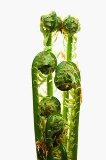
    Fiddleheads


    Fiddleheads are a spring delicacy in Maine. The young, coiled shoots are found in the wild along riverbeds and streams. If you’re not the foraging type, why not try growing fiddleheads yourself?

    In Maine, the ostrich fern grows particularly well. They can be identified by the brown, paper-like covering on the uncoiled section of the fern. The University of Maine extension advises to properly wash and cook fiddleheads before eating them. 

    Which new to you vegetables are you going to try growing in your garden this year? Have any suggestions? 

    Friday, April 20, 2012

    Choosing Vegetable Seeds for the Northern Garden


    With so many brands and varieties of vegetable seeds on the market, it can be a little overwhelming when choosing which ones to buy, especially for the first time gardener. Asking yourself a few questions will help simplify the process.

    Tips for Choosing Vegetable Seed Varieties


    1. What are the vegetables going to be used for? Choose vegetable seeds based on their primary purpose such as eating fresh or freezing and preserving. Some varieties freeze and can better than others. Seed catalogues always list which varieties freeze and can well in their descriptions.

    2. How big of a yield do you want? If you’ve ever thumbed through a seed catalogue you’ve probably noticed the phrase “prolific grower” or “high yielding.” This means that particular variety of vegetable produces lots of fruit. If you want lots of vegetables, choose a variety that produces a high yield.

    3. How long is your growing season? Here in Maine we have a short growing season. For this reason, when it comes to choosing vegetable seeds it’s best to choose those with shorter days to germination. This tip comes in really handy when growing watermelon, pumpkins and other vegetables that take longer to produce mature fruit. Days to germination is listed in catalogues and on the back of seed packets.

    Tips for Choosing Vegetable Seed Brands


    • If you’re new to vegetable gardening, ask your friends, family, and neighbors which brands of vegetable seeds they trust the most. You may get a few different responses but it will leave you with a variety of options to choose from.
    • Experiment with different brands. Over the next few years as you continue to grow vegetables, you’ll get a feel for which brands you like best.
    • Use the internet to read reviews and mission statements about different brands and seed companies to find one that you like.
    • Support a local seed company. Here in Maine we have our very own seed company called Johnny's Selected Seeds. You can request a free catalogue online or order vegetable seeds directly from their website.


     Do you have any praises or gripes about a particular brand of vegetable seeds?

    Wednesday, April 18, 2012

    Soil Preparation: Getting Those Gardens Ready


    Its spring and we all know what the means; it’s almost time for us to plant our vegetable gardens here in Maine. But before we head outside to sow our seeds, there are a few things we need to do.

    Have you ever heard the term soil amendment? Basically, this term means to change the soil by adding to it and making it suitable for the types of vegetables you want to grow.

    Amending the soil in your garden in pretty easy. The first thing I do is take a look at it. What color is it? Pick up a few handfuls of soil and run it through your fingers. What’s the texture like?

    Now, you can go out and buy one of those soil test kits to check the pH balance and other nutrients if you want. I’ve never used one and frankly have gotten along just fine without one. By the way, I don’t buy expensive fertilizers either but we’ll get into that a little later in the post.

    Steps to Prepare Garden Soil

    1. Pick out large rocks and other debris
    2. Amend soil - (add organic fertilizer)
    3. Till soil - This step mixes fertilizer into soil & loosens it for better root establishment
    4. Level soil - Use the back side of a metal rake
    5. Prepare rows/mounds for planting

    How to Amend Garden Soil


    Maine has rocky soil. If you’ve ever put in a new lawn, garden bed, or field for that matter, you’ve probably noticed. Thanks to the movement of glaciers through our great state many years ago, there are rocks and depressions of all sizes everywhere. This can be a pain when starting a new garden, but it doesn’t mean we can’t prepare a nutrient rich garden bed with a little work.

    The best soil for gardens is loam. Loam is abundant in Maine. There are plenty of general contractors and construction companies that will be happy to sell you loam by the truckload or bucket load depending on how much you need.

    I use loam mixed with cow manure in my garden and it works wonders. My brother has cows and is more than happy to bring me a load of manure. I never put fresh manure in my garden - only year old manure. Fresh manure can burn the roots of some plants.

    With that being said, I have a special section of the garden reserved for my root vegetables. Root vegetables like carrots and radishes grow best in sandy soil. Sandy soil makes it easier for the roots of the plants to push through the soil and grow.

    To amend the soil, layer organic compost or fertilizer a few inches thick over the garden bed and then till the soil to mix it in. Once the tilling is done, level the garden bed by using the backside of a metal rake.

    Prepare Rows and Mounds


    Knowing which types of vegetables you’ll be planting, how many, and where they are going to go ahead of time makes preparing a garden bed much easier. Before your seeds and transplants are ready to go into the ground, form mounds and rows according to seed packet and transplanting instructions. This saves time and energy when planting.     

    Taking the time to prepare a garden bed a week or two before planting, in my opinion, makes getting the garden off to a good start easier. It’s less overwhelming, easier on the back, and is a great time saver.

    What will you be doing to prepare your organic vegetable garden this spring?

    Image: Image: Keattikorn / FreeDigitalPhotos.net

    Friday, April 13, 2012

    Planning a Vegetable Garden in Maine


    Planning a vegetable garden in the north is pretty easy whether you’re a native or new to the area. To help make planning your garden easier, I’ve come up with a list of questions to answer. You’re answers will help you decide what and how many vegetables to grow.

    Planting Realistically

    1. Why are you planting a vegetable garden?

    2. How many people are in your household?

    3. What are you going to do with your vegetables? (Preserving, eat fresh, both)

    4. Which vegetables does your household eat?

    5. How much space do you have for your garden?

    6. How much time do you have to work in the garden?

    It’s important to answer the above questions realistically. If you don’t have a lot of space, let’s say an apartment balcony, or you can only dedicate a few hours a week spent working in the garden, then those factors will go into planning your northern vegetable garden.

    1. Why are you planting a vegetable garden? Is gardening a hobby of yours, something new you want to try, or a necessity to feed your family? Your answer will help determine how large a garden you’ll plant and how much time you’ll be spending in it.

    2. How many people are in your household? This answer factors into how much of which vegetables to plant. If you’re going to provide veggies for your family year round, knowing how much to plant is of up most importance.

    3. What are you going to do with your vegetables? (Preserving, eat fresh, both) Do you want to be able to make a couple of fresh salads during the summer or enough stewed tomatoes for the entire year? Decide how much of which vegetable you’re going to need.

    4. Which vegetables does your household eat? Don’t waste your time planting vegetables no one in your household is going to eat. What types of fresh, frozen, or canned vegetables do you buy most often? Plan on planting more of those.

    5. How much space do you have for your garden? If you have limited space, choose vegetable varieties wisely. Grow compact plants and bush varieties to save on space. Mix and match veggies in pots and along trellises.

    6. How much time do you have to work in the garden? This is where you really need to get realistic. Growing a large and productive garden takes time and work. Factor in work, family, and summer activities, then decide how much time you have to spend planting, weeding, harvesting etc. The larger the garden, the more time you’ll need to dedicate.

    Now that you have answers to these questions you know how much time you are willing to put into growing a vegetable garden. If you don’t have a lot of time or space for gardening, start small and grow a few of your favorites. After the growing season re-access and determine whether you can upscale or downscale your garden or leave it the way it is.


    Image: Idea go / FreeDigitalPhotos.net

    Monday, April 9, 2012

    Introduction to Gibby's Garden


    Image: Gibby's Garden
    Hello world and welcome to Gibby’s Garden. For my first post I thought I’d introduce myself, the author of Gibby’s Garden, to the blogospehere. To get a grasp of what this blog is about, please check out the About Gibby’s Garden page.


    About Me (Patrice)


    With all formalities aside, I love to garden - period. To be more specific, I love growing organic vegetables from start to finish. There’s something about getting my hands dirty (I never seem to keep my garden gloves on for very long), smelling freshly tilled loam, and sowing every seed and gently transplanting seedlings into my garden that makes me feel fresh and renewed.

    The work aspect of vegetable gardening gives me a sense of accomplishment and quiet frankly, is a great de-stresser for me. After 20+ years of gardening, first as a child with my parents and grandparents, then as an adult on my own, I still get excited as my first seedlings sprout from the ground.

    Caring for my plants and watching them grow, bloom and finally produce makes all the work I put into my garden worthwhile. I like knowing that come early fall, the vegetables I’ve canned and frozen will provide a little extra something for my family over the long winter months.

    Since I started vegetable gardening on my own almost 10 years ago, I’ve had a lot of hits and misses along the way. For instance, I quickly learned that the instructions on the back of seed packets are there for a reason and just because you think it’s a good idea to cram as many plants together thinking you’re saving on space, doesn’t mean that it is.

    In short, I’ve picked up a lot of gardening tips and techniques over the years and I’d like to pass them along to you. Some of them I’ve learned the hard way, while others I’ve learned from reading books, blogs, and magazines.

    If you’re a Maine organic vegetable gardener, then I think we’ll get along just fine. (You can be from anywhere really) I hope you come back to Gibby’s Garden as my blog gets off the ground and continues to grow. I’ll be sharing lots of how-to’s, advice and stories about organic vegetable gardening and I invite you to share yours.


    Image: Simon Howden / FreeDigitalPhotos.net